
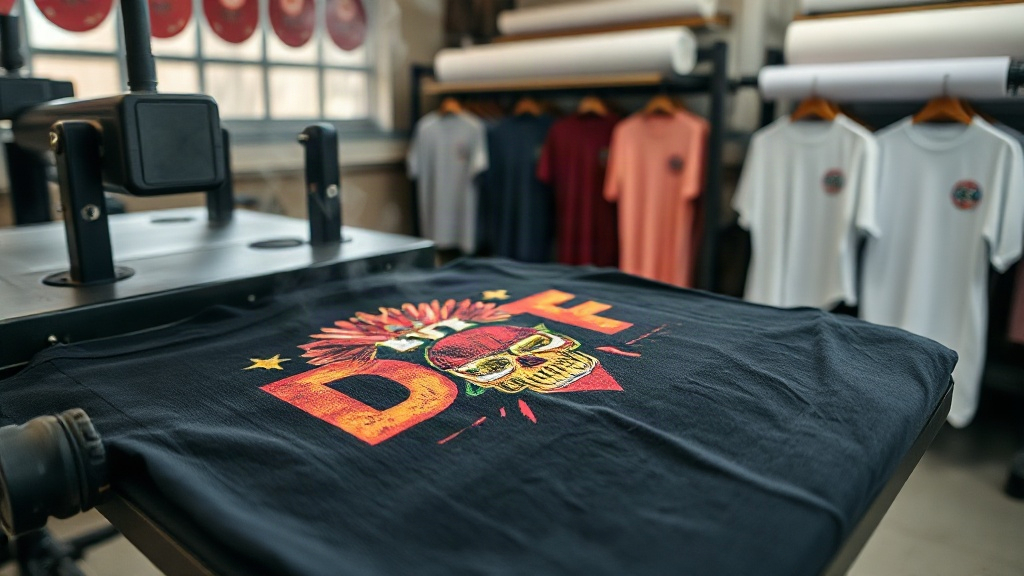
Custom apparel printing has evolved dramatically over the past decade, and DTF transfers have emerged as a game-changer for both hobbyists and professional print shops. Unlike traditional methods that require specialized equipment or minimum order quantities, DTF transfers offer a versatile, cost-effective solution for bringing vibrant designs to life on a wide range of fabrics. In this guide, we'll walk you through the entire DTF process, from understanding the technology to selecting the best blanks from trusted brands like Shaka Wear and Smart Blanks. Whether you're launching a clothing line or adding custom tees to your existing business, this article will equip you with the knowledge to achieve professional results.
What Are DTF Transfers?
DTF stands for Direct-to-Film, a printing method where your design is printed onto a special PET film using water-based inks, then coated with a hot-melt adhesive powder. Once the powder is cured, the transfer is ready to be applied to fabric using a heat press. The magic happens when heat and pressure bond the adhesive to the garment, resulting in a soft, stretchable, and durable print.
Unlike DTG (Direct-to-Garment) printing, which requires pretreatment and works best on 100% cotton, DTF transfers can adhere to a wide variety of materials, including cotton, polyester, blends, and even nylon. This versatility makes them a favorite among printers who want to offer diverse products without investing in multiple printing technologies.
Why Choose DTF Transfers Over Other Methods?
If you're still on the fence about incorporating DTF into your workflow, consider these advantages:
- No minimums: You can print a single transfer or thousands, making it ideal for small businesses and custom orders.
- Vibrant colors: DTF inks produce bright, opaque prints that stand out on both light and dark garments.
- Durability: When applied correctly, DTF prints withstand repeated washing without cracking or fading.
- Material versatility: Works on cotton, polyester, blends, and even treated nylon.
- Cost-effective: Lower startup costs compared to screen printing or DTG.
These benefits have made DTF a staple in the custom apparel industry, and it's why many print shops now offer it as a primary decoration method.
The DTF Transfer Process Step by Step
Understanding the process helps you troubleshoot issues and produce consistent results. Here's a breakdown of the key steps:
1. Design Preparation
Start with a high-resolution image (300 DPI recommended). Mirror the design horizontally before printing, as the transfer will be flipped when applied. Ensure your design has transparent backgrounds where needed, and consider adding a white underbase for vibrant colors on dark garments.
2. Printing
Using a DTF printer, the design is printed onto a PET film. The printer lays down a layer of white ink first (if applicable), followed by CMYK colors. Some printers also print a white layer on top to enhance opacity. The film is then dusted with hot-melt adhesive powder, which is cured using a heat source or powder shaker.
3. Curing
The powder must be melted evenly. This is typically done in an oven or with a heat gun, but automatic powder shakers with built-in curing units are available for higher volumes. Proper curing ensures the adhesive bonds well during heat pressing.
4. Heat Press Application
Set your heat press to the recommended temperature (usually 300-325°F) and pressure (medium to firm). Place the transfer on the garment with the adhesive side down, cover with a Teflon sheet or parchment paper, and press for 10-15 seconds. Peel the film while hot (for hot peel) or after it cools (for cold peel), depending on the film type.
5. Post-Pressing
For added durability, especially on stretchy fabrics, a second press for 5-10 seconds with a cover sheet is recommended. This helps the adhesive fully penetrate the fibers.
Choosing the Right Blanks: Shaka Wear and Smart Blanks
The quality of your blank garment is just as important as the print itself. Two brands that consistently deliver excellent results for DTF are Shaka Wear and Smart Blanks.
Shaka Wear: Streetwear Essentials
Shaka Wear is renowned for its heavyweight cotton tees, hoodies, and crewnecks that cater to the streetwear and urban fashion markets. Their garments are known for their relaxed fits, durable construction, and soft hand feel. When paired with DTF transfers, the prints adhere beautifully to the smooth, tight-knit surface, resulting in a premium look. Popular choices include the Shaka Wear Drop Shoulder Tee and the Heavyweight Hoodie, both of which provide a substantial canvas for bold designs.
Smart Blanks: Budget-Friendly Quality
Smart Blanks offers a wide range of apparel at competitive prices without sacrificing quality. Their tees, tank tops, and fleece are made from soft, ring-spun cotton and cotton-poly blends, making them ideal for DTF printing. The consistent fabric density and minimal shrinkage ensure that your transfers stay put wash after wash. For printers looking to offer affordable custom apparel, Smart Blanks is a reliable choice.
Both brands provide excellent options, and the best choice depends on your target market and budget. Many print shops stock both to cater to different customer segments.
Tips for Perfect DTF Transfers Every Time
Even with the right equipment and materials, small mistakes can lead to poor adhesion or premature fading. Keep these tips in mind:
- Pre-press your garment: This removes moisture and wrinkles, ensuring a smooth surface for the transfer.
- Use the correct pressure: Too little pressure and the design won't bond; too much and the adhesive may spread, causing a halo effect.
- Test your settings: Every heat press and film brand behaves differently. Always do a test press on a scrap garment.
- Store transfers properly: Keep them in a cool, dry place away from direct sunlight to prevent the adhesive from activating prematurely.
- Wash inside out: Advise your customers to wash garments inside out in cold water and tumble dry low to extend the life of the print.
Common DTF Problems and How to Fix Them
Even experienced printers encounter issues. Here are a few common problems and their solutions:
Transfer Peels Off After Washing
This usually indicates insufficient pressure, temperature, or time during application. Increase these settings slightly and ensure you're post-pressing. Also, verify that the garment was properly pre-pressed.
Design Looks Faded or Cracked
Fading can occur if the transfer was overheated during application or if the garment was washed in hot water. Cracked prints often result from stretching the garment while the print is still hot. Allow the print to cool completely before stretching.
Adhesive Residue Around the Design
This happens when the powder wasn't fully cured or when too much powder was used. Ensure even powder application and proper curing. If residue appears, it can sometimes be removed by repressing with a cover sheet.
Frequently Asked Questions About DTF Transfers
What fabrics work best with DTF transfers?
DTF transfers adhere well to cotton, polyester, cotton-poly blends, and nylon. They are not recommended for fabrics with a high silicone or Teflon content, as the adhesive won't bond properly.
How long do DTF transfers last?
With proper application and care, DTF prints can last 50+ washes without significant fading or cracking. Following the wash care instructions is key to longevity.
Can I use DTF transfers on dark garments?
Absolutely. DTF transfers include a white ink layer that makes colors pop on dark fabrics. Just ensure your printer is set to print the white layer correctly.
Do I need a special printer for DTF?
Yes, you need a DTF printer that uses DTF inks and is equipped with a white ink channel. However, you can also outsource your transfers to a service like DTF Printly if you prefer not to invest in equipment.
Is DTF more expensive than screen printing?
For small orders, DTF is more cost-effective because there are no setup fees or minimums. For large orders (500+ pieces), screen printing may be cheaper per unit. It depends on your volume and design complexity.
Final Thoughts
DTF transfers have democratized custom apparel printing, allowing anyone to create high-quality, durable prints on a variety of garments. By choosing reliable blanks from Shaka Wear and Smart Blanks, and following best practices for application, you can deliver professional results that keep customers coming back. Whether you're a seasoned printer or just starting out, DTF technology offers a flexible, profitable path to success in the custom apparel market.