
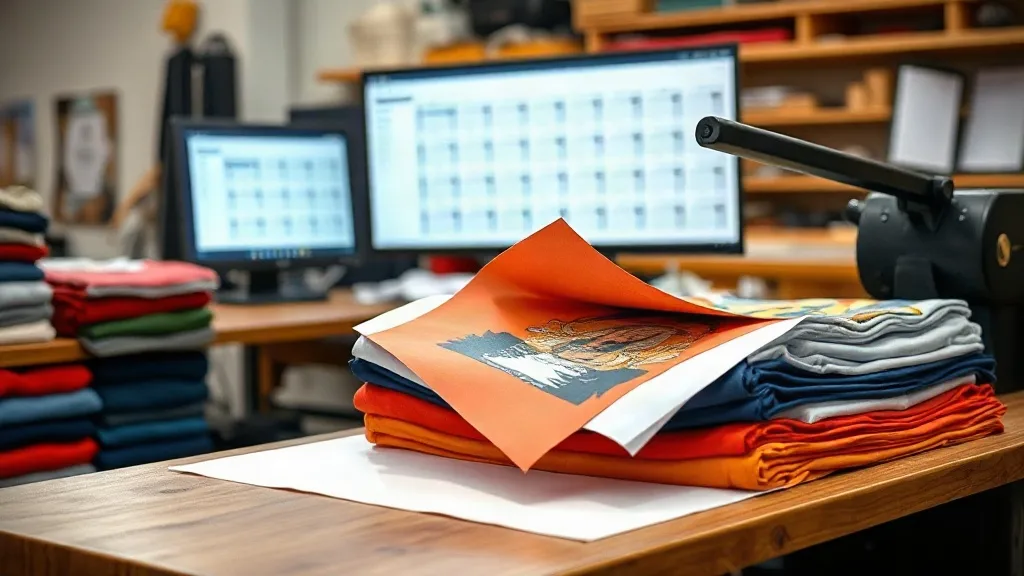
When you're running a print shop, the quality of your blanks can make or break your DTF printing results. shaka wear has become a go-to brand for many printers, thanks to its consistent quality and variety. But not all Shaka Wear blanks are created equal when it comes to DTF. In this guide, we'll walk through how to choose the right Shaka Wear blanks for DTF printing, so you can deliver vibrant, durable prints that keep customers coming back.
Why Shaka Wear Blanks Are a Smart Choice for DTF
Shaka Wear is known for its heavyweight cotton tees and consistent sizing, but what really matters for DTF is how the fabric takes the transfer. DTF prints adhere best to fabrics with a smooth surface and minimal texture. Shaka Wear's combed ring-spun cotton offers just that, providing a canvas that accepts the adhesive powder and ink without excessive dot gain or fibrillation.
Moreover, Shaka Wear blanks are pre-shrunk, which means less surprises after the first wash. That's crucial for DTF because the print needs to move with the fabric. If the shirt shrinks significantly, the print can crack or distort. With Shaka Wear, you get predictable shrinkage rates, so your customers enjoy a print that stays put.
Fabric Blends: The Good, the Bad, and the Ugly for DTF
Not all Shaka Wear styles are 100% cotton. Some blends, like their poly-cotton offerings, can be trickier for DTF. Here's what to consider:
- 100% Cotton: The gold standard for DTF. Shaka Wear's 100% cotton tees provide excellent adhesion and vibrant colors. The smooth surface minimizes texture interference.
- Cotton/Poly Blends: These can work, but you may need to adjust your press settings. Polyester content can cause the print to appear slightly duller, and if the poly percentage is high, you risk dye migration. Shaka Wear's blends are typically 50/50 or 60/40, which are manageable with a lower temperature and careful pressing.
- Tri-Blends: Shaka Wear's tri-blend shirts (cotton/poly/rayon) have a soft, heathered look, but the rayon can make the surface slightly uneven. DTF prints on tri-blends may require a longer press time and a bit more pressure to ensure the adhesive penetrates the fabric texture.
Always test a sample before committing to a large order. What works for one blend might not work for another, and Shaka Wear's consistency means you can dial in your settings and repeat them.
Fabric Weight: Finding the Sweet Spot for DTF
Shaka Wear offers tees in various weights, from lightweight 4.5 oz to heavyweight 7.5 oz. For DTF, heavier isn't always better. Here's why:
- Lightweight (4.5–5.5 oz): These are great for summer and fashion tees. They take DTF well because the fabric is smooth and thin, allowing the adhesive to bond quickly. However, very thin fabrics may require a lower press temperature to avoid scorching.
- Midweight (5.5–6.5 oz): The most versatile. Shaka Wear's midweight tees are a favorite for DTF because they offer a good balance of durability and printability. They handle higher heat and pressure without issues.
- Heavyweight (7 oz and up): These are sturdy and popular for streetwear, but the thicker fabric can be slightly rougher. You might need to increase press time or use a higher pressure to ensure the DTF film adheres evenly. Also, heavyweight tees can absorb more heat, so pre-pressing is essential to remove moisture.
For most DTF applications, midweight Shaka Wear tees are the safest bet. They're forgiving and produce consistent results.
Color Choices: How Blank Color Affects DTF Prints
DTF printing uses a white ink layer, so you can print on any color. But the blank color still matters for the final look:
- Light Colors: White, heather grey, and pastels are ideal for vibrant, true-to-screen colors. The white underbase in DTF is less critical, but it still helps with opacity.
- Dark Colors: Black, navy, and deep reds require a thicker white layer to prevent the background from showing through. Shaka Wear's dark blanks are usually dyed well, so you don't have to worry about excessive dye migration, but always use a quality DTF film and powder.
- Heathers: Heathered fabrics have a textured look that can add character to your print, but they can also cause slight imperfections. If you're printing fine details, opt for solid colors.
Remember that DTF prints on dark colors can feel slightly thicker due to the white ink layer. If your customers prefer a softer hand, consider using a DTF Gangsheet Builder to optimize your layout and reduce waste, which can offset the cost of higher-quality films.
Pre-Treatment and Pressing: Getting the Best Results with Shaka Wear
Shaka Wear blanks are known for being printer-friendly, but a little prep goes a long way:
- Pre-press: Always pre-press the shirt for 5-7 seconds to remove moisture and wrinkles. This is especially important for heavyweight cotton, which can hold more moisture.
- Temperature: Set your heat press to 300-320°F (150-160°C). For blends, use the lower end to avoid scorching.
- Pressure: Medium to firm pressure is usually sufficient. Too little pressure and the print won't adhere; too much and you might flatten the fabric texture.
- Peel: Wait until the transfer is completely cool before peeling for a matte finish, or peel hot for a slightly glossier look. Shaka Wear's cotton handles both methods well.
Using a DTF Gangsheet Builder can help you arrange multiple prints efficiently, saving time and money. By planning your gangsheet with Shaka Wear blanks in mind, you can maximize your production runs.
Common Pitfalls to Avoid
Even with quality blanks like Shaka Wear, mistakes happen. Here are a few to watch out for:
- Ignoring fabric content: Always check the label. A 100% cotton tee will behave differently from a 50/50 blend.
- Over-pressing: Too much heat can cause the adhesive to burn or the fabric to scorch. Stick to the recommended settings.
- Using low-quality DTF film: The film and powder are just as important as the blank. Invest in good supplies to complement Shaka Wear's quality.
- Skipping the test print: Always do a test run on a scrap piece of the same fabric before committing to a full order.
Frequently Asked Questions
Can I use DTF printing on Shaka Wear's tri-blend shirts?
Yes, but you'll need to adjust your press settings. Tri-blends have a softer, more textured surface, so use a slightly longer press time and ensure even pressure. Test a sample first to avoid uneven adhesion.
What's the best Shaka Wear fabric weight for DTF printing?
Midweight (5.5–6.5 oz) tees offer the best balance of durability and printability. They handle heat well and provide a smooth surface for vibrant prints. Heavyweight can work too, but requires more careful pre-pressing.
How do I prevent dye migration when printing DTF on dark Shaka Wear blanks?
Use a quality DTF film with a good white ink layer and ensure your press temperature isn't too high. Shaka Wear's dark blanks are generally well-dyed, but pre-pressing and using a lower temperature can help.
Do I need to pre-treat Shaka Wear shirts before DTF printing?
No chemical pre-treatment is needed for DTF, but pre-pressing to remove moisture and wrinkles is essential for optimal adhesion.
Where can I find Shaka Wear blanks for my shop?
You can explore the shaka wear collection at Harwin DTF, a trusted supplier for print shops.