
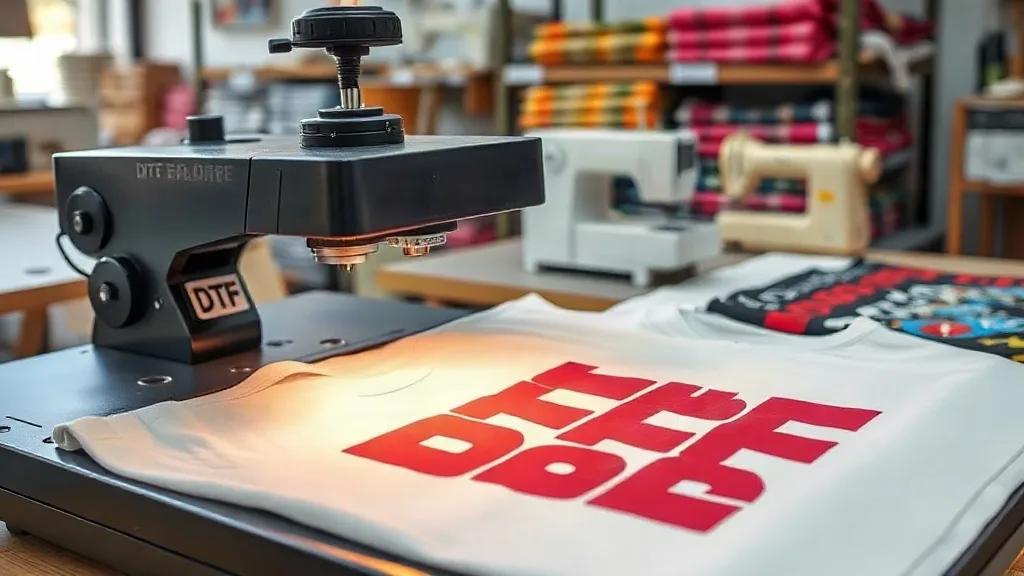
When it comes to dtf transfers, the quality of the final product depends as much on the fabric you choose as on the printing process itself. Whether you're a hobbyist or a professional, understanding how different fabrics interact with DTF films and inks can save you time, money, and frustration. In this guide, we'll explore the critical factors in fabric selection and print durability, so you can achieve vibrant, long-lasting results every time.
Why Fabric Selection Matters for DTF Transfers
DTF (Direct to Film) printing has revolutionized the custom apparel industry because it works on a wide range of materials. However, not all fabrics are created equal. The composition, weave, and finish of a fabric affect how the transfer adheres, how the colors appear, and how long the print lasts. Choosing the wrong fabric can lead to cracking, fading, or poor wash fastness. Let's break down the key considerations.
Natural vs. Synthetic Fibers
Natural fibers like cotton and linen are breathable and comfortable, but they can behave differently under heat and pressure. Cotton, for example, has a textured surface that can affect the smoothness of the transfer. Synthetic fibers like polyester and nylon are smooth and can yield sharper details, but they may be sensitive to high temperatures. Blends, such as poly-cotton, offer a balance but require careful temperature control. Always test a small area before committing to a full production run.
Fabric Weight and Texture
Lightweight fabrics like chiffon or thin jersey may not provide enough support for the transfer, leading to wrinkling or distortion. Medium to heavy-weight fabrics, such as canvas or fleece, offer a stable base but may require longer pressing times to ensure proper adhesion. Texture also plays a role: rough surfaces like burlap can prevent the film from making full contact, resulting in incomplete transfer. For best results, choose fabrics with a smooth, even weave.
Color and Opacity
DTF transfers are printed on a clear film, so the background color of the fabric will affect the final appearance. White or light-colored fabrics allow the inks to pop, while dark fabrics may require a white underbase to maintain vibrancy. However, some DTF films are designed to be opaque, eliminating the need for a underbase. Always consider the fabric color when designing your print, and test on a swatch to see how the colors translate.
Ensuring Print Durability: Key Factors
Once you've selected the right fabric, the next step is to ensure the print withstands the test of time. Durability depends on proper application, washing, and storage. Here are the critical factors to monitor.
Application Temperature and Pressure
Each DTF film comes with recommended settings for temperature, pressure, and time. Deviating from these can result in poor adhesion or damage to the fabric. For example, too little pressure can leave air pockets, while too much can cause the ink to spread. Invest in a quality heat press with consistent pressure and accurate temperature control. Always pre-press the fabric to remove moisture and wrinkles, which can interfere with adhesion.
Washing and Care Instructions
To maximize durability, instruct end-users to wash garments inside out in cold water and avoid harsh detergents. Tumble drying on low heat or air drying is preferable to high heat, which can degrade the transfer over time. Avoid ironing directly over the print; if necessary, use a pressing cloth. Following these guidelines can extend the life of the print significantly.
Storage and Handling
Store DTF transfers in a cool, dry place away from direct sunlight. Humidity can cause the film to curl or the ink to become tacky, making application difficult. Handle transfers by the edges to avoid contaminating the adhesive with oils from your skin. Proper storage ensures the transfers remain ready for use when you need them.
Choosing the Right DTF Supplies
The quality of your supplies directly impacts the durability of your prints. Not all DTF films and powders are created equal. Look for films with a consistent coating and powders that melt evenly. If you're searching for reliable supplies, consider dtf transfers from reputable vendors. Additionally, when you need dtf transfers near me, ensure the provider offers high-quality products and good customer service. For those new to the process, understanding the basics of dtf printing is essential. Always source from trusted suppliers to avoid issues like clogged nozzles or poor adhesion.
Common Fabric-Related Issues and Solutions
Even with careful selection, problems can arise. Here are some common issues and how to address them:
- Transfer peeling: This often occurs on fabrics with a high synthetic content or those treated with water repellents. Solution: pre-treat the fabric with a heat press to remove coatings, or use a higher pressure.
- Color fading: Fabrics that are not colorfast may bleed during washing, affecting the print. Solution: pre-wash the fabric to remove excess dye, and use a color catcher in the wash.
- Cracking: This can happen if the transfer is stretched beyond its elasticity. Solution: choose a transfer film that matches the fabric's stretch, and avoid over-stretching during application.
Testing and Quality Control
Before committing to a large order, always perform a wash test on a sample. Apply the transfer to a swatch of the intended fabric, then wash and dry it several times to simulate real-world use. Check for adhesion, color retention, and flexibility. This simple step can prevent costly mistakes and ensure customer satisfaction.
FAQs
What types of fabric work best with DTF transfers?
DTF transfers work well on a wide range of fabrics, including cotton, polyester, blends, and even some nylons. However, smooth, medium-weight fabrics with a tight weave tend to yield the best results. Always test on a swatch first.
How can I make my DTF prints last longer?
Proper application and care are key. Use the recommended temperature and pressure, pre-press the fabric, and follow washing instructions (cold water, inside out, low heat drying). Avoid harsh chemicals and ironing directly on the print.
Can I use DTF transfers on dark fabrics?
Yes, DTF transfers can be used on dark fabrics. The white ink layer in the transfer provides opacity, so colors remain vibrant. However, some fabrics may require a white underbase for optimal results.
What is the best way to store DTF transfers?
Store transfers in a cool, dry place away from direct sunlight and humidity. Keep them flat or roll them loosely to prevent creasing. Avoid touching the adhesive side with your fingers.
Why is my DTF transfer cracking after washing?
Cracking can occur if the transfer was not applied with enough pressure or if the fabric stretches beyond the transfer's elasticity. Ensure proper application and choose a transfer film suitable for stretchy fabrics.