
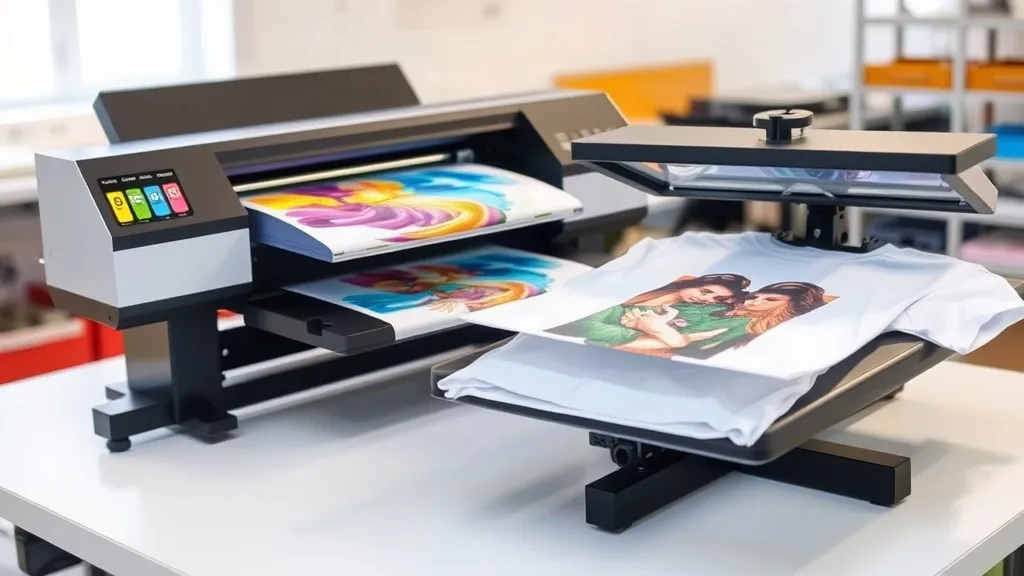
If you're in the custom apparel business, you've likely heard about dtf printing. This innovative technology is transforming how we create vibrant, durable designs on fabrics. Unlike traditional methods, DTF (Direct to Film) printing offers unmatched versatility and cost-effectiveness. In this guide, we'll dive deep into the world of dtf transfers, exploring the process, benefits, and practical tips to help you get started.
What is DTF Printing?
DTF printing stands for Direct to Film. It's a digital printing method where your design is printed onto a special film, coated with adhesive powder, and then heat-pressed onto the fabric. This process allows for full-color, high-detail prints on a wide range of materials, including cotton, polyester, and blends. The result is a soft, stretchable print that withstands repeated washing.
How Does DTF Printing Work?
The DTF process involves several key steps. First, your design is printed onto a PET film using specialized inks. Then, a hot-melt adhesive powder is applied to the wet ink. After shaking off the excess powder, the film is cured. Finally, the transfer is placed on the fabric and heat-pressed, fusing the design permanently. Each step requires precision, but with practice, it becomes second nature.
Step 1: Design Preparation
Start with a high-resolution image. DTF can handle intricate details, gradients, and fine lines, so don't shy away from complex designs. Ensure your artwork is in CMYK color mode for accurate reproduction.
Step 2: Printing
Load the PET film into your DTF printer. The printer lays down a layer of white ink first (for opacity on dark fabrics), followed by the color layers. This white base is crucial for vibrant colors on dark garments.
Step 3: Powder Application
While the ink is still wet, sprinkle the adhesive powder evenly over the print. Shake off the excess, and you'll see the powder sticking only to the inked areas.
Step 4: Curing
Place the film in a curing oven or under a heat press for a few minutes. This melts the powder and creates a smooth, dry surface. Proper curing ensures the transfer will adhere well and last long.
Step 5: Heat Pressing
Set your heat press to the recommended temperature (usually around 160°C or 320°F) and press for 10-15 seconds. Peel the film off while it's still warm (or cold, depending on the film type) to reveal your vibrant design.
Why Choose DTF Transfers?
DTF transfers offer numerous advantages over other printing methods. Here are some compelling reasons to consider DTF for your next project.
- Versatility: Works on almost any fabric, including cotton, polyester, blends, and even leather.
- No Weeding: Unlike vinyl, there's no tedious weeding process, saving you time and labor.
- Vibrant Colors: DTF prints can reproduce full-color images with stunning brightness and detail.
- Durability: When applied correctly, DTF prints resist cracking, peeling, and fading, even after multiple washes.
- Cost-Effective: Low setup costs and minimal waste make DTF ideal for short runs and custom orders.
DTF vs. Other Printing Methods
How does DTF stack up against screen printing, DTG, and vinyl? Let's compare.
DTF vs. Screen Printing
Screen printing is great for large orders of simple designs, but it requires separate screens for each color, which can be costly for multi-color jobs. DTF excels at complex, full-color designs without setup fees, making it perfect for small batches and personalized items.
DTF vs. DTG
Direct-to-Garment (DTG) printing is limited to cotton fabrics and often requires pre-treatment. DTF works on a wider range of materials and doesn't need pre-treatment, offering greater flexibility.
DTF vs. Vinyl
Heat transfer vinyl (HTV) is durable but limited to simple, single-color designs. DTF allows for intricate, multi-color prints with no weeding, making it a superior choice for detailed artwork.
Applications of DTF Printing
DTF printing is used across various industries. From custom t-shirts and hoodies to tote bags, caps, and even shoes, DTF can handle it all. It's a favorite among small businesses, event organizers, and DIY enthusiasts for its ease of use and professional results.
Tips for Successful DTF Printing
To get the best results, follow these expert tips.
- Use quality supplies: Invest in good DTF film, ink, and powder. Cheap materials can lead to poor adhesion and faded prints.
- Control moisture: DTF powder is hygroscopic, meaning it absorbs moisture from the air. Store it in an airtight container to prevent clumping.
- Test your heat press: Every heat press is different. Use a temperature gun to verify the actual platen temperature and adjust accordingly.
- Practice peeling: Some films require hot peel, others cold. Follow the manufacturer's instructions and practice on scrap fabric first.
- Wash inside out: To prolong the life of your DTF prints, wash garments inside out in cold water and avoid harsh detergents.
Common Mistakes to Avoid
Even seasoned printers make mistakes. Here are some pitfalls to watch out for.
- Under-curing: If the powder isn't fully melted, the transfer won't adhere properly. Ensure your curing time and temperature are correct.
- Too much pressure: Excessive pressure can cause the ink to spread, resulting in a blurry print. Use medium pressure.
- Incorrect peeling: Peeling too soon or too late can ruin the transfer. Always check the film's specifications.
- Ignoring fabric type: Some fabrics, like nylon, may require lower temperatures. Always test on a small area first.
Frequently Asked Questions
How long do DTF prints last?
With proper application and care, DTF prints can last as long as the garment itself. They resist cracking and fading for 50+ washes.
Can I use DTF on dark shirts?
Absolutely! DTF uses a white ink base that makes colors pop on dark fabrics. It's one of the best methods for dark garments.
Do I need a special printer for DTF?
Yes, you need a DTF printer that uses DTF inks and a powder shaker. However, you can also buy pre-made DTF transfers from suppliers.
Is DTF printing cost-effective for small orders?
Yes, DTF is very cost-effective for small to medium orders because there are no setup fees or minimums. You only pay for the materials you use.
What fabrics work best with DTF?
DTF works on cotton, polyester, blends, and even treated nylon. It's one of the most versatile printing methods available.
DTF printing is a game-changer for anyone in the custom apparel industry. With its ability to produce vibrant, durable designs on a wide range of fabrics, it's no wonder that DTF transfers are becoming the go-to choice for businesses and hobbyists alike. Whether you're just starting out or looking to expand your offerings, mastering DTF printing can open up new possibilities for your creative projects.