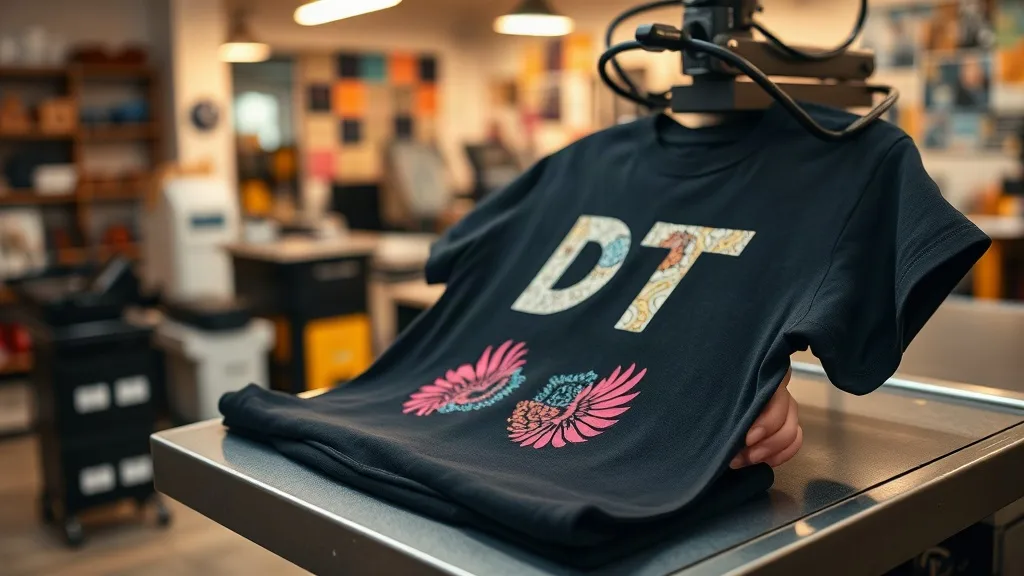
Imagine pressing a vibrant, full-color design onto a dark cotton t-shirt without worrying about color limitations or complicated setups. That's the promise of dtf printing, a technology that has rapidly gained traction among apparel decorators, small business owners, and DIY enthusiasts. Unlike traditional methods that require multiple screens or specialized inks, DTF offers a streamlined workflow that delivers impressive results on a wide range of fabrics. Whether you're producing a few custom pieces for a local team or scaling up for an online store, understanding DTF transfers can open up new creative and business opportunities.
What Are DTF Transfers?
DTF stands for Direct-to-Film. It's a printing process where your design is printed onto a special PET film using water-based pigment inks, then coated with a hot-melt adhesive powder. After the powder is cured, the transfer is ready to be applied to fabric using a heat press. The magic happens when heat and pressure bond the adhesive to the fibers, creating a durable, stretchable print that feels soft to the touch.
What sets DTF apart from other methods like DTG or screen printing is its versatility. You can print on cotton, polyester, blends, and even treated nylon. No need for pre-treatment or specialized equipment beyond a printer, powder applicator, and heat press. This accessibility makes DTF transfers an attractive option for small businesses and hobbyists alike.
A Brief History of DTF Printing
DTF technology emerged in the early 2010s as an alternative to DTG printing, which struggled with color vibrancy on dark garments. Initially adopted in Asia, it quickly spread globally due to its ability to produce high-opacity prints without white underbase limitations. Today, DTF transfers are used for everything from custom t-shirts and tote bags to promotional items and fashion apparel.
How DTF Transfers Work: Step by Step
Understanding the DTF process helps you appreciate its simplicity and troubleshoot issues. Here's a breakdown of the key steps:
- Design Preparation: Create your artwork in a graphics program, ensuring it's mirrored if necessary. DTF printers typically use CMYK plus white ink, so colors are vibrant.
- Printing: The printer lays down the design onto the film. White ink is usually printed first as a base, followed by colors.
- Powder Application: While the ink is still wet, hot-melt adhesive powder is sprinkled over the film. Excess powder is shaken off.
- Curing: The film goes through a curing oven or under a heat source to melt the powder, creating a dry, non-sticky surface.
- Transfer: The film is placed on the garment and pressed with a heat press (typically 325°F for 15-20 seconds). After cooling, the film is peeled away, leaving the design bonded to the fabric.
Each step requires attention to detail, but the learning curve is manageable. Many suppliers offer pre-printed DTF transfers if you prefer to skip the printing and powdering stages.
Why Choose DTF Transfers for Your Custom Apparel?
DTF transfers have several compelling advantages that make them a go-to choice for many projects. Let's explore the main benefits.
1. Exceptional Color Vibrancy and Detail
Because DTF uses white ink as a base, colors pop even on dark fabrics. Gradients, fine lines, and photographic details reproduce beautifully. Unlike screen printing, there's no color count limit, so you can print full-color images without extra cost.
2. Versatility Across Fabrics
DTF works on cotton, polyester, cotton-poly blends, and even some synthetic materials. This flexibility means you can decorate a wide range of garments and accessories without switching methods.
3. Durability and Stretchability
When applied correctly, DTF prints withstand repeated washing without cracking or fading. The adhesive bonds well to fibers, and the print stretches with the fabric, making it ideal for athletic wear and stretchy materials.
4. Cost-Effective for Short Runs
Screen printing requires setup costs per color, making short runs expensive. DTF has no minimum order and low setup, so it's perfect for one-off designs, samples, or small batches.
5. Simple Workflow
With a DTF printer, you can go from digital file to finished product in under an hour. No need for weeding, masking, or multiple screens. This efficiency is a game-changer for small businesses and crafters.
DTF Transfers vs. Other Printing Methods
To help you decide if DTF is right for you, here's a quick comparison with common alternatives.
DTF vs. DTG (Direct-to-Garment)
DTG prints directly onto the garment, often requiring pre-treatment. It works best on 100% cotton and can struggle with polyester. DTF, on the other hand, adheres to more fabrics and doesn't need pre-treatment. DTF also tends to have more vibrant colors on dark shirts.
DTF vs. Screen Printing
Screen printing is cost-effective for large orders but has high setup costs and limited colors per screen. DTF excels in short runs and complex designs. However, for very large orders, screen printing may still be more economical.
DTF vs. Vinyl (HTV)
Heat transfer vinyl is great for simple, single-color designs but can't handle intricate details or gradients. DTF handles full-color images with ease and offers a softer feel on the garment.
Getting Started with DTF Transfers
Ready to dive into DTF? Here's what you need to know.
Equipment and Supplies
To produce your own DTF transfers, you'll need:
- A DTF printer (or access to a printing service)
- DTF film (PET film)
- Hot-melt adhesive powder
- Curing oven or heat gun
- Heat press
- Design software
If you're not ready to invest in a printer, you can order pre-printed DTF transfers from suppliers and apply them yourself with a heat press.
Design Tips for DTF
Keep these best practices in mind:
- Use high-resolution images (300 DPI or higher).
- Add a white underbase for dark garments (most RIP software does this automatically).
- Mirror your design if required by your printer.
- Test on a scrap garment before full production.
Application Best Practices
For flawless results:
- Preheat the garment to remove moisture.
- Use medium pressure and ensure even heat distribution.
- Press at 325°F for 15-20 seconds.
- Let the transfer cool completely before peeling (cold peel).
- Post-press for a few seconds with a cover sheet for extra durability.
Common Challenges and How to Overcome Them
Even with a straightforward process, you might encounter issues. Here are solutions to common problems.
Print Cracking or Fading
Usually caused by under-curing the powder or insufficient pressure during transfer. Ensure the powder is fully melted and the heat press is calibrated.
Adhesive Residue on Film
If the film peels off with some adhesive left behind, the transfer may have been pressed at too low a temperature or time. Increase temperature slightly and check your press settings.
Color Accuracy
Colors may appear slightly different due to ICC profiles. Use a color management workflow and calibrate your printer regularly.
Frequently Asked Questions About DTF Transfers
How long do DTF transfers last?
With proper application and care, DTF prints can last as long as the garment itself. Wash inside out in cold water and avoid harsh detergents to maximize longevity.
Can I use DTF on 100% polyester?
Yes, DTF adheres well to polyester, but you may need to adjust temperature and pressure to avoid scorching. Always test on a sample first.
Do I need a special printer for DTF?
You can convert an Epson printer with DTF inks and a RIP software, or buy a dedicated DTF printer. Alternatively, order pre-printed transfers from a service.
Is DTF eco-friendly?
DTF uses water-based inks and no PVC, making it more environmentally friendly than some other methods. However, the film and powder do create waste, so recycle where possible.
What fabrics can I use with DTF?
Cotton, polyester, blends, and treated nylon are all suitable. Avoid fabrics with heavy coatings or waterproof finishes, as adhesion may be poor.
DTF transfers have democratized custom apparel printing, offering professional-quality results without the traditional barriers. Whether you're a small business owner, a crafter, or just someone who loves personalized gear, DTF is worth exploring. With the right knowledge and tools, you can bring your designs to life on almost any fabric.