
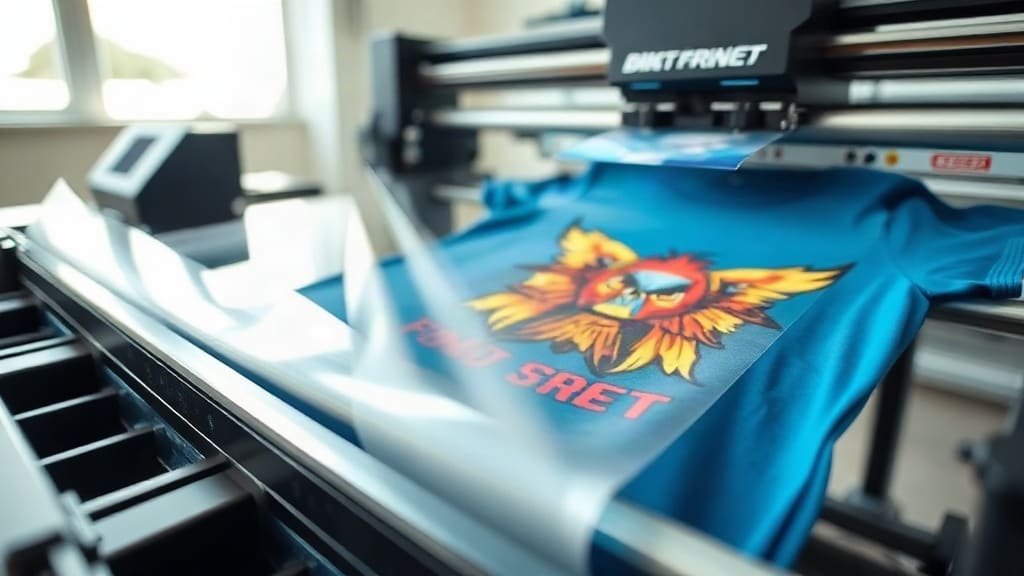
DTF printing, or Direct to Film, has taken the custom apparel world by storm. It's a versatile, cost-effective method that produces vibrant, durable prints on a variety of fabrics. Whether you're a small business owner looking to expand your product line or a hobbyist exploring new techniques, understanding DTF can open doors to endless creative possibilities. In this guide, we'll break down everything you need to know, from the basic process to expert tips that will help you achieve professional results every time.
What is DTF Printing?
DTF printing is a digital printing technique where a design is printed onto a special film, then transferred to fabric using a heat press and adhesive powder. Unlike traditional screen printing, which requires separate screens for each color, DTF prints full-color designs in a single pass, making it ideal for detailed artwork and small batches. The process involves printing a mirrored image onto a PET film, applying a hot-melt adhesive powder, and then heat-pressing the film onto the garment. The result is a soft, stretchable, and wash-resistant print that feels like part of the fabric.
How DTF Works: Step-by-Step
- Design creation: You create or upload your artwork to a design software, ensuring it's set to the correct size and resolution.
- Printing: A DTF printer prints the design onto a special film using CMYK or CMYK+White ink. The white ink creates an opaque base, essential for printing on dark fabrics.
- Powder application: While the ink is still wet, a hot-melt adhesive powder is applied to the printed film. This powder is what bonds the design to the fabric.
- Curing: The film is passed through a curing oven or heat press to melt the powder and set the ink, creating a durable bond.
- Transfer: The film is placed on the garment (with the design facing down), and a heat press is applied with specific temperature, pressure, and time settings.
- Peeling: After pressing, the film is peeled away, leaving the design permanently adhered to the fabric.
Key Equipment for DTF Printing
To get started with DTF, you'll need some essential equipment. Each piece plays a vital role in ensuring quality and consistency.
- DTF Printer: This is a specialized inkjet printer that uses DTF inks and can handle the film's thickness. Many users convert standard eco-solvent or dye-sublimation printers, but dedicated DTF printers are now widely available.
- Heat Press: A clamshell or swing-away press with accurate temperature control is necessary for both curing the powder and transferring the design.
- Powder Shaker: This device applies the adhesive powder evenly across the printed film. Some models are integrated with printers for a seamless workflow.
- Curing Oven: For higher-volume production, a conveyor dryer or tunnel oven speeds up the powder curing process.
- PET Film: This is the transfer medium. It's coated to absorb the ink and release it cleanly during pressing.
- DTF Inks: High-quality CMYK and white inks specifically formulated for DTF printing ensure vibrant colors and proper adhesion.
- Adhesive Powder: This thermoplastic powder melts during the heat press, bonding the design to the fabric.
DTF vs. Other Printing Methods
When comparing DTF to other popular methods like screen printing and DTG, each has its strengths and best-use scenarios.
DTF vs. Screen Printing
Screen printing is cost-effective for large quantities, but it requires a significant setup for each color, making it impractical for small runs or full-color designs. DTF shines for short runs, complex designs, and on-demand production. It also handles a wider variety of fabrics, including polyester blends, whereas screen printing works best on 100% cotton.
DTF vs. DTG (Direct to Garment)
DTG is excellent for printing on cotton garments directly, but it struggles with synthetic fabrics and often requires pretreatment for dark colors. DTF works on almost any fabric type and doesn't need pretreatment, saving time and reducing costs. Additionally, DTF prints have a thinner layer, making them softer and more flexible than DTG prints.
Choosing the Right Materials
The quality of your DTF prints heavily depends on the materials you use. Here are some tips for selecting films, inks, and powder.
Film Selection
There are two main types of PET films: cold-peel and hot-peel. Cold-peel films require the film to cool before peeling, while hot-peel films can be peeled immediately after pressing. Both have their advantages, but many printers prefer cold-peel for its reliability. Additionally, look for films with good ink absorption and release properties to ensure sharp detail.
Ink Compatibility
Use inks that are specifically designed for your printer and the film you're using. Water-based DTF inks are common, but pigment-based inks offer better color vibrancy and washfastness. Ensure your inks are compatible with your printer's printhead to avoid clogs and other issues.
Adhesive Powder
Powder particle size and melting point are crucial. Fine powders are ideal for detailed designs, while slightly coarser powders may offer stronger adhesion. Test different powders to find the one that works best for your fabric types and washing conditions.
Perfecting the Transfer Process
Consistency is key in DTF printing. Here are the critical factors to control for perfect transfers every time.
Temperature and Pressure
Every heat press is different, so calibrate it with a reliable thermometer. Typical transfer temperatures range from 150°C to 170°C (300°F to 340°F). Pressure should be firm but not excessive, usually around 40-60 PSI. Too much pressure can cause adhesive bleed, while too little may result in weak adhesion.
Time and Peel
Transfer time usually varies from 10 to 20 seconds, depending on the fabric and heat press. Follow the powder manufacturer's recommendations. For cold-peel films, allow the design to cool for a few seconds before peeling. For hot-peel, peel immediately but carefully. Always perform a test press to fine-tune your settings.
Tips for Vibrant, Long-Lasting Prints
- Pre-press garments: A quick pre-press removes moisture and wrinkles, ensuring better ink transfer.
- Use high-quality designs: The print is only as good as the artwork. Use high-resolution images and vector files when possible.
- White ink layer: For dark fabrics, ensure your printer lays down a sufficient white layer. This prevents colors from being muted by the fabric's base.
- Cure the powder properly: Inadequate curing can lead to poor adhesion and cracking. Monitor the curing temperature carefully.
- Store materials properly: Keep films and powders in a dry, cool place to prevent moisture absorption and degradation.
Common DTF Mistakes to Avoid
Even experienced printers make mistakes. Here are some common pitfalls and how to avoid them.
- Incorrect peeling: Peeling too early or too late can cause design defects. Always follow the film's instructions.
- Ink smudging: If you touch the print before it's cured, you can smudge it. Use gloves and handle films carefully.
- Clogged printheads: DTF inks can dry quickly, so clean your printer regularly and use high-quality inks with stable formulations.
- Inconsistent powder coating: Uneven powder application leads to patchy adhesion. Use a powder shaker with a consistent vibration.
DTF Applications and Creative Uses
DTF printing isn't just for T-shirts. Its versatility allows for creativity across many products. You can create custom tote bags, hats, hoodies, sportswear, and even accessories like socks. The prints are stretchable and durable, making them perfect for garments that undergo regular wear and washing. Many small businesses use DTF to offer personalized items, from company uniforms to event merchandise, without the high minimums of screen printing.
Cost Considerations and ROI
Starting a DTF setup requires an initial investment, but it can quickly pay off. A basic printer and heat press setup might cost between $2,000 and $5,000, while professional-grade systems can exceed $10,000. However, the per-print cost is relatively low, especially for short runs. You save on setup fees and can produce items on demand, reducing inventory waste. For small businesses, this makes DTF a financially attractive option.
Frequently Asked Questions (FAQ)
Can DTF prints withstand repeated washing?
Yes, when done correctly, DTF prints are highly durable. The adhesive powder creates a strong bond, and the ink is resistant to fading. To ensure longevity, wash garments inside out in cold water and avoid using bleach. Tumble drying on low heat is also recommended. With proper care, prints can last for many washes without cracking or peeling.
What fabrics are best for DTF transfers?
DTF works on a wide range of fabrics, including cotton, polyester, blends, and even nylon. However, for the best results, choose fabrics with a tight weave. Smooth surfaces allow the adhesive to bond evenly. Avoid loosely knit fabrics or those with heavy texture, as they may not adhere as well. Always test a sample to ensure compatibility.
Do I need a special printer for DTF, or can I convert my existing printer?
While it's possible to convert some inkjet printers to use DTF inks, it's not recommended unless you have technical expertise. DTF requires specific ink formulations and often a white ink circulation system to prevent settling. Dedicated DTF printers are designed for this purpose and come with proper firmware and support. Investing in a reliable machine from the start will save you time and frustration.
How do I store DTF film and powder?
Store PET film in a cool, dry place, away from direct sunlight and extreme temperatures. Keep it in its original packaging or a sealed plastic bag to prevent dust and moisture. Adhesive powder should be stored in an airtight container to avoid clumping. Always check for expiry dates and use materials within their recommended shelf life for optimal performance.
Can I use DTF to print on dark-colored garments?
Absolutely! In fact, DTF is excellent for dark fabrics because you can print a white underbase. The printer lays down white ink as the first layer, which ensures that the colors on top appear vivid and true. This is a major advantage over methods like DTG, which often require pretreatment for dark shirts.
Final Thoughts
DTF printing is a game-changer for custom apparel. Its versatility, cost-effectiveness, and ability to produce high-quality, vibrant prints on demand make it an ideal choice for businesses and creators alike. By understanding the process, investing in the right equipment, and honing your technique, you can unlock a world of creative opportunities. So go ahead, experiment with DTF on different fabrics and designs, and watch your ideas come to life with stunning clarity and durability.