
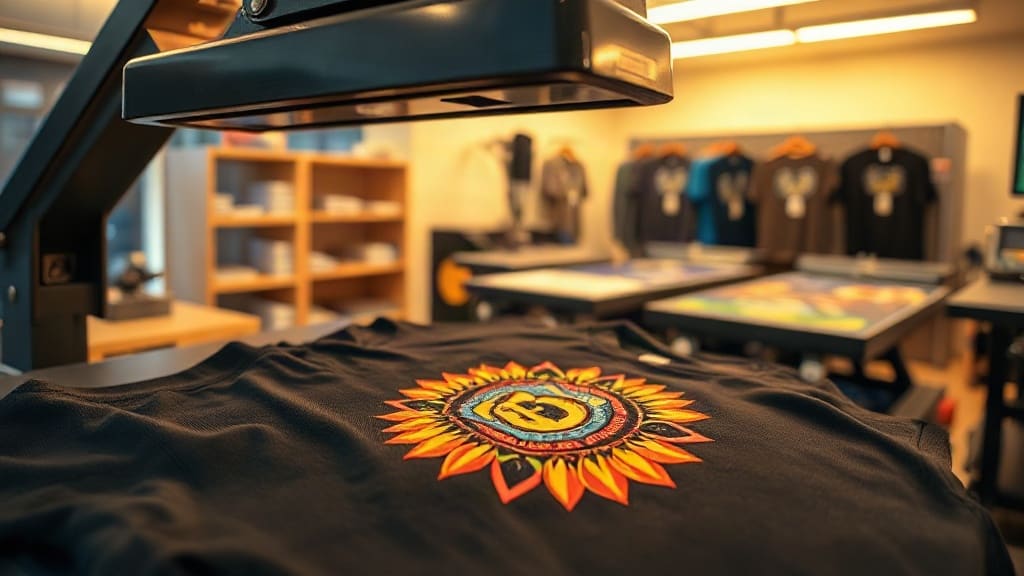
If you've been searching for a reliable way to create custom apparel, you've likely come across DTF transfers. These versatile heat transfers have revolutionized the printing industry, offering a simple yet effective method for producing vibrant designs on various fabrics. Whether you're a small business owner, a hobbyist, or just curious about the technology, this guide will walk you through everything you need to know.
What Are DTF Transfers?
DTF transfers stand for Direct to Film transfers. Unlike traditional methods that print directly onto the garment, DTF involves printing your design onto a special film, applying adhesive powder, and then heat pressing it onto the fabric. The result is a soft, flexible, and highly detailed print that can be applied to cotton, polyester, blends, and even hard surfaces like mugs and caps.
How Does the DTF Process Work?
The process is straightforward, but each step matters for achieving the best outcome.
Printing on Film
First, you print your design in reverse onto a PET film using a specialized DTF printer equipped with white ink and CMYK colors. The white ink layer is crucial because it provides a base that makes colors pop on dark fabrics.
Applying Adhesive Powder
While the ink is still wet, you sprinkle a hot-melt adhesive powder over the printed film. The powder sticks only to the inked areas. Then, you shake off the excess and cure the film in an oven or heat press to melt the powder, creating a strong bond.
Heat Press Transfer
Finally, you place the film on your garment, shiny side up, and press it with a heat press at around 160°C (320°F) for 15-20 seconds. Peel the film off either hot or cold, depending on the manufacturer's instructions, and your design is ready.
Advantages of Using DTF Transfers
Why have DTF transfers become so popular? Let's look at the benefits that set them apart.
- Vibrant Colors: The white ink base ensures that colors appear bright and true, even on black or dark garments.
- Soft Hand Feel: Unlike screen printing, which can leave a thick layer, DTF prints are flexible and barely noticeable to the touch.
- Versatility: They work on a wide range of fabrics, including 100% cotton, polyester, nylon, and blends.
- Durability: When applied correctly, DTF prints can withstand multiple washes without cracking or fading.
- No Weeding Required: Unlike vinyl, DTF handles intricate designs with ease, eliminating tedious weeding.
- Cost-Effective for Short Runs: You can print single items or small batches without paying high setup costs, making it ideal for custom orders and print-on-demand.
DTF vs. Other Heat Transfer Methods
Understanding the differences can help you choose the right technique for your projects.
DTF vs. HTV (Heat Transfer Vinyl)
HTV is cut from sheets of vinyl and requires you to weed out unwanted parts. It's great for simple designs with few colors, but it's labor-intensive for complex artwork. DTF, on the other hand, prints full-color designs in one go, with no weeding, and offers a softer finish.
DTF vs. Sublimation
Sublimation works only on polyester fabrics or coated surfaces, as the ink turns into gas and bonds with polymers. DTF is more versatile, as it can print on cotton, and you don't need a white base because DTF includes white ink.
DTF vs. Screen Printing
Screen printing is excellent for large bulk orders, but it requires significant setup time and expense. For small to medium quantities, DTF is faster and more affordable, with no minimum order requirements.
Choosing the Right DTF Transfer Supplier
If you don't have your own DTF printer, you can buy pre-printed DTF transfers from a supplier. Here are some tips to ensure you get a quality product.
- Check Print Resolution: Look for suppliers that use high-DPI printers for sharp, detailed images.
- Review Material Quality: The film and adhesive should be top-notch to ensure durability.
- Ask for Samples: Before committing, order a sample to test the print quality and washability.
- Consider Turnaround Time: If you're fulfilling orders, you need a supplier who can deliver quickly.
- Look for Custom Sizes: Some suppliers offer custom sheet sizes, which can save you money and reduce waste.
Tips for Getting the Best Results with DTF Transfers
To make your DTF prints look professional and last longer, follow these practical suggestions.
Use the Right Heat Press Settings
Temperature and pressure are critical. Most DTF films require around 160°C (320°F) and medium to firm pressure. Always test on a scrap piece of fabric first to adjust settings based on your press and garment type.
Pre-Press Your Garment
Press the garment for a few seconds before applying the transfer to remove moisture and wrinkles. This helps the adhesive bond better.
Peel Method Matters
Some films are hot-peel, others are cold-peel. Follow the supplier's recommendation. Hot peel typically leaves a glossy finish, while cold peel gives a matte look. Both are durable, but you need to be consistent.
Care for Your Prints
Advise your customers to wash garments inside out in cold water and avoid using bleach or fabric softeners. Tumble dry on low or hang dry to extend the life of the transfer.
Common Mistakes to Avoid
Even experienced printers can make errors. Here are pitfalls to steer clear of.
- Skipping the Pre-Press: This can lead to poor adhesion and peeling.
- Using Too Little Pressure: Insufficient pressure results in incomplete transfer, especially on textured fabrics.
- Overheating the Film: Excessive heat can cause the adhesive to degrade or the colors to shift.
- Not Curing the Powder Properly: If the powder isn't melted evenly, the transfer might not stick.
- Peeling Too Fast or Slow: Each film has specific peeling instructions; deviating can cause tearing or poor finish.
Creative Applications for DTF Transfers
DTF isn't just for t-shirts. Here are some creative ways to use this technology.
Custom Apparel
Create unique hoodies, polo shirts, and jackets for teams, events, or retail.
Accessories
Add logos to caps, bags, and backpacks to create a cohesive brand line.
Home Décor
Design custom pillows, curtains, or table runners to add a personal touch to your living space.
Promotional Items
Print on mouse pads, coasters, or phone cases for giveaways and corporate gifts.
Frequently Asked Questions
Can DTF transfers be used on dark-colored garments?
Yes, absolutely. One of the main advantages of DTF is the white ink layer that acts as a base, allowing colors to pop on dark fabrics without needing a separate white underbase.
How many washes do DTF prints last?
When applied correctly and cared for properly, DTF prints can withstand 40-60 washes or more. The key is to use quality materials and follow recommended washing instructions.
Do I need a special printer to make DTF transfers at home?
Yes, you need a printer that can handle white ink, such as a DTF printer or a converted Epson printer. These printers use specialized software and bulk ink systems designed for DTF printing.
Can I use DTF transfers on 100% polyester?
Yes, DTF works on polyester, but you need to test because the fabric's smoothness can affect adhesion. Using a lower temperature and a Teflon sheet can help.
Are DTF transfers eco-friendly?
Compared to screen printing, DTF produces less waste because you only print what you need. However, the films and powders are not biodegradable, so it's important to dispose of them properly. Some companies offer recycling programs.
Conclusion
DTF transfers offer an incredible balance of quality, versatility, and ease of use. Whether you're starting a custom apparel business or just want to personalize your own clothes, this method can help you achieve professional results without a huge investment. By understanding the process, avoiding common mistakes, and choosing the right supplier, you'll be well on your way to creating vibrant, durable prints that stand out. So why not give DTF a try? Your next custom creation might be just a press away.