
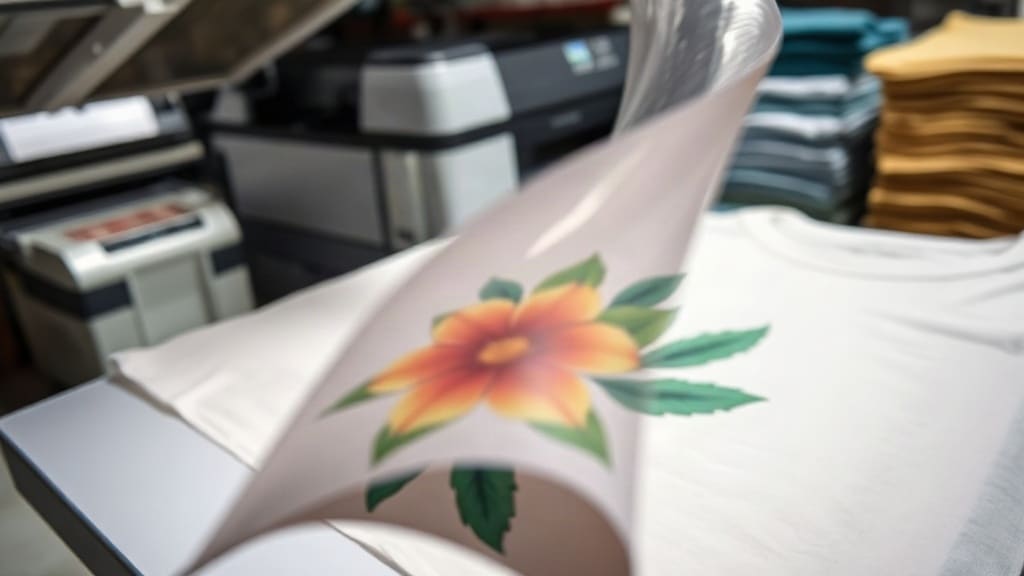
If you run a small business in the custom apparel space, you have likely heard about DTF transfers. They are changing how entrepreneurs approach printing because they offer a simple way to create vibrant, durable designs without needing a massive budget. I have spent years working with garment printing, and I will tell you why DTF transfers deserve a spot in your production process.
Unlike traditional methods, DTF (direct to film) printing involves printing your artwork onto a special PET film, applying adhesive powder, and then heat pressing that film onto your garment. The result is a soft, stretchy, and highly detailed print that can be applied to many fabric types. For a small business owner, this opens up a world of possibilities.
Why DTF Transfers Are a Game Changer for Small Business
The primary appeal of DTF transfers lies in their versatility and cost effectiveness. You do not need to invest in expensive screen printing equipment or learn complex color separation techniques. With a basic DTF printer and a heat press, you can produce high quality prints on demand. This means you can test new designs without committing to large inventory orders.
Low Startup Costs
Starting a screen printing setup can cost thousands of dollars, especially if you want to print in full color. DTF printing, on the other hand, requires a printer (often an Epson or similar), DTF inks, film, and powder. Many small businesses start with a setup that costs under $2,000. This is a fraction of what you would spend on traditional equipment.
No Minimum Order Quantities
With screen printing, you typically need to order at least a dozen or more shirts to make the setup worthwhile. DTF transfers allow you to print a single shirt if you want. This is perfect for personalized orders, sample runs, or just in time production. Your customers will appreciate the flexibility.
How DTF Transfers Compare to Other Methods
To understand the true value of DTF, it helps to see how it stacks up against alternatives like vinyl, screen printing, and sublimation.
- Vinyl: Great for simple text and logos, but it is not ideal for intricate, multi color designs because you have to cut and weed each color separately.
- Screen printing: Produces excellent results for bulk orders, but the initial setup costs are high and the process is messy and time consuming.
- Sublimation: Works only on polyester or light colored fabrics, and the prints fade on dark garments.
- DTF transfers: Works on cotton, polyester, blends, and even nylon. You can print white ink, which is crucial for dark fabrics. The colors are vivid, and the prints are durable.
Durability and Feel
One of the biggest questions I get is about how DTF prints feel and last. When applied correctly, DTF prints maintain their integrity after many washes. The key is to use quality film and powder, and to follow the recommended temperature and pressure settings. A good DTF transfer will not crack or peel easily, and it has a soft hand feel that customers love.
What to Look for When Buying DTF Transfers
If you are not ready to print your own, you can order DTF transfers from a professional service. This is a great way to test the waters because you can send your artwork and receive ready to press transfers in the mail. Here are a few things to consider when choosing a provider.
Quality of Materials
Not all DTF transfers are created equal. The film thickness, the adhesive powder quality, and the ink formulation all affect the final result. Look for a provider that uses premium materials and offers a warranty or sample pack.
Turnaround Time
If you need transfers quickly, check the provider's shipping times. Some companies offer rush services for an extra fee. For small business owners, reliability is just as important as speed. You do not want to miss a deadline for a big client.
Price per Transfer
Pricing can vary widely based on size, complexity, and quantity. Generally, larger orders will bring the cost down. Compare quotes from different vendors, but do not sacrifice quality for the lowest price. A cheap transfer that fails after a few washes will cost you more in the long run.
Common Mistakes to Avoid When Using DTF Transfers
Even with a great product, mistakes can happen during the application process. Here are the top errors I see from small business owners.
- Skipping the pre press: Always pre press your garment for a few seconds to remove moisture and wrinkles. This ensures a better bond.
- Incorrect temperature and pressure: Each DTF transfer has recommended settings. Usually, you press at around 320°F (160°C) for 15 seconds with medium to firm pressure. But always test on a sample.
- Peeling too fast or too slow: Most DTF transfers require hot peeling (immediately after pressing) or cold peeling (wait until cool). Read the instructions. Peeling at the wrong time can ruin the design.
- Using the wrong heat press: A clamshell press may not distribute pressure evenly. A swing away press is often better for DTF. Also, make sure the platen is the right size for your garment area.
How to Price Your DTF Transfers for Profit
Once you have your process down, it is time to think about pricing. Many small business owners underprice their products because they forget to include overhead costs. When calculating your price, consider the cost of the transfer itself, the blank garment, your time, and a profit margin. Also, factor in waste and defects. A good rule of thumb is to aim for at least a 30% profit margin on each item.
Case Study: A Successful Small Business Using DTF Transfers
Let me share a quick story. A friend of mine started a custom t-shirt business from her garage. She bought a DTF printer and began making transfers for local sports teams. Within six months, she was producing over 100 shirts a week. Because she could print on demand, she never had excess inventory. Her customers loved the quality, and she built a loyal following. Today, she has expanded into other products like tote bags and hoodies, all using DTF transfers.
Frequently Asked Questions
Can I use DTF transfers on any fabric?
DTF transfers work best on cotton and cotton blends, but they can also be applied to polyester, nylon, and even leather. The key is to use a lower temperature and a protective sheet for synthetic fabrics to avoid melting. Always test on a scrap piece first.
How many washes can DTF prints withstand?
With proper application and care, DTF prints can last for 50 or more washes. To maximize durability, wash garments inside out in cold water and tumble dry on low. Avoid using bleach or fabric softeners, as they can degrade the print over time.
What is the difference between DTF and DTG printing?
DTG (direct to garment) printing involves printing directly onto the shirt using a specialized printer. DTF transfers are printed onto a film first and then transferred to the garment. DTF offers more versatility because you can produce transfers in bulk and apply them later, and it works on a wider range of fabrics.
Do I need a special printer to make DTF transfers at home?
Yes, you need a printer that can handle DTF inks and film. Many people modify an Epson EcoTank printer, but there are also dedicated DTF printers available. You will also need a heat press and a powder shaker. It is a modest investment, but the return can be significant.
How do I store unused DTF transfers?
Store your DTF transfers in a cool, dry place away from direct sunlight. Keep them flat in a plastic sleeve or box to avoid dust and scratches. Proper storage ensures that the adhesive remains effective.
In summary, DTF transfers offer small businesses an affordable, flexible, and high quality printing solution. Whether you are just starting out or looking to expand your product line, they are worth exploring. By understanding the process, choosing the right supplier, and avoiding common pitfalls, you can create beautiful custom apparel that delights your customers and boosts your bottom line.