
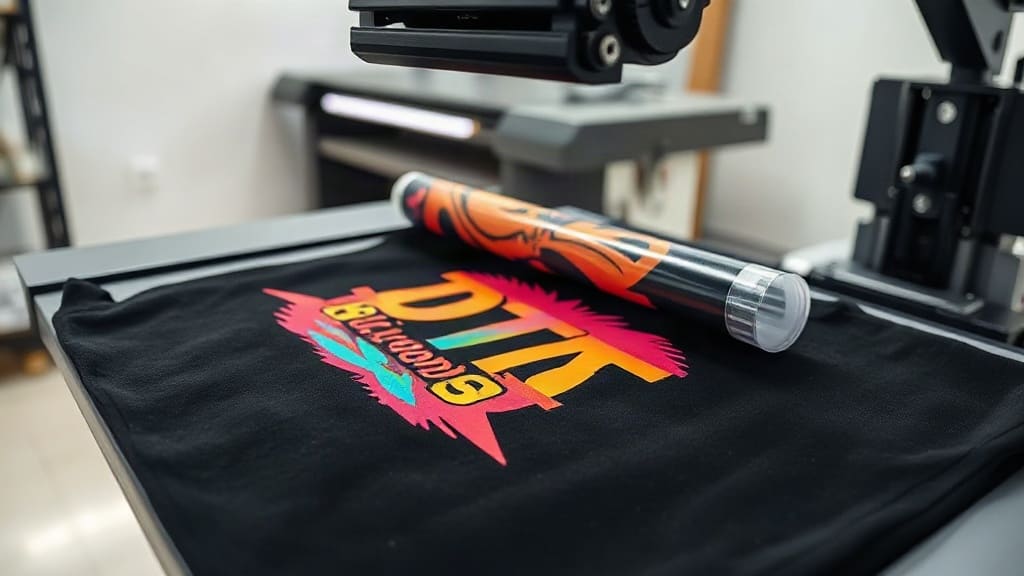
If you're in the custom apparel business, you've likely heard of DTF transfers. This innovative printing method has taken the industry by storm, offering a versatile and cost-effective way to produce vibrant designs on a wide range of fabrics. Whether you're a seasoned printer or just starting out, understanding the ins and outs of DTF transfers can elevate your product quality and streamline your workflow. In this comprehensive guide, we'll dive deep into what makes DTF transfers so popular, how they compare to other methods, and how you can get the best results every time.
What Are DTF Transfers?
DTF stands for Direct to Film. Unlike traditional heat transfer methods that use vinyl or transfer paper, DTF involves printing your design onto a special PET film using a DTF printer. The film is then coated with a hot-melt adhesive powder, which is melted and cured. This creates a transfer that can be pressed onto fabric using a heat press. The result is a soft, stretchable, and highly detailed print that adheres well to various materials, including cotton, polyester, blends, and even denim.
One of the key advantages of DTF transfers is their ability to handle vibrant colors and intricate details without losing quality. The process allows for photorealistic prints and works exceptionally well for small to medium-sized batches. Because the design is printed on a film first, you can inspect it before pressing, reducing errors and waste.
DTF Transfers vs. Other Methods
To truly appreciate DTF transfers, it helps to compare them with other popular customization techniques.
DTF vs. Heat Transfer Vinyl (HTV)
HTV involves cutting designs from colored vinyl sheets and heat pressing them onto garments. While HTV is great for simple designs with few colors, it struggles with intricate details and photorealistic images. DTF transfers, on the other hand, print the entire design in one pass, allowing for unlimited colors and gradients. Additionally, DTF prints are softer and more flexible than HTV, which can feel stiff and crack over time.
DTF vs. Screen Printing
Screen printing is ideal for large orders of simple designs, but it requires significant setup time and cost. DTF transfers shine in the low to medium volume range, offering quick turnaround and no screen setup. For businesses that offer on-demand or custom orders, DTF is a game-changer. It also allows for easy printing of individual items with different designs, which is impractical with screen printing.
DTF vs. Sublimation
Sublimation works only on polyester fabrics, and the design becomes part of the material. DTF transfers, however, work on both cotton and polyester, giving you more flexibility. While sublimation is excellent for all-over prints, DTF excels in spot prints and offers a wider range of fabric options.
How to Use DTF Transfers
Using DTF transfers might seem complex, but once you get the hang of it, it's straightforward. Here's a step-by-step guide to ensure successful application.
Step 1: Prepare Your Transfer
Your DTF transfer will come as a film with your design printed on it, covered by a protective film. Keep it away from dust and moisture until you're ready to press.
Step 2: Preheat Your Garment
Place your garment on the heat press and preheat it for 2-3 seconds to remove wrinkles and moisture. This helps the adhesive bond better.
Step 3: Position the Transfer
Place the transfer film with the printed side facing down on the garment. Ensure it's perfectly aligned using a ruler or template. Use heat-resistant tape to hold it in place.
Step 4: Press with Heat
Set your heat press to the recommended temperature, typically around 300°F (150°C) to 320°F (160°C). Press with medium pressure for 15-20 seconds. The exact settings may vary based on the film and fabric, so always test first.
Step 5: Peel and Cure
After pressing, peel the film while it's still warm for a glossy finish, or wait for it to cool for a matte finish. For best durability, some recommend a second press with a Teflon sheet or parchment paper for 5-10 seconds.
Tips for Achieving Vibrant and Durable Prints
To get the most out of your DTF transfers, follow these pro tips:
- Use High-Quality Ink: Invest in good DTF ink to ensure bright colors and longevity.
- Proper Adhesive Powder Application: Ensure the adhesive powder is evenly applied and fully melted. Uneven powder can lead to poor adhesion.
- Test Different Fabrics: DTF works on many fabrics, but each may require slight adjustments in time and temperature. Test on scraps first.
- Press with Medium Pressure: Too little pressure won't bond properly, while too much can cause ghosting or bleed.
- Allow to Cool Gradually: Rapid cooling can cause cracking. Let the print cool slowly after pressing.
- Wash Care: Advise your customers to wash printed garments inside out in cold water and avoid bleach. This extends the life of the print.
The Benefits of DTF Transfers for Your Business
If you're considering adding DTF to your business, here are some compelling reasons:
- Low Setup Cost: No screens or expensive equipment needed, making it accessible for small businesses.
- Fast Turnaround: You can print and press a design in minutes, allowing for same-day orders.
- Versatility: Print on a variety of garments, from t-shirts to hoodies, and even tote bags.
- High Detail: Perfect for intricate logos, gradients, and even photos.
- Durability: With proper care, DTF prints can last as long as screen prints, especially on cotton.
- Eco-Friendly Option: DTF produces less waste than screen printing, as you only print what you need.
Potential Drawbacks and How to Overcome Them
No method is perfect, and DTF has its quirks. Here are some common issues and solutions:
- Color Shift: Colors may appear different on film than on fabric. Always do a test print and adjust your color profiles.
- Adhesive Issues: If the transfer doesn't stick well, you may need to increase pressure or extend press time. Also, check that the powder is fresh and properly cured.
- Opacity on Dark Fabrics: DTF prints can be semi-transparent. Add a white base layer in your design for full opacity.
- Film Peeling: If the film doesn't peel cleanly, it might be because the adhesive wasn't fully cured. Try pressing longer or at a slightly higher temperature.
Where to Buy DTF Transfers
If you don't have a DTF printer, you can still enjoy the benefits by purchasing ready-made DTF transfers from suppliers. Look for reputable companies that offer high-quality prints and consistent results. Many also provide white toner printing, which is essential for dark fabrics. When choosing a supplier, consider their turnaround time, shipping costs, and customer reviews. A reliable supplier will ensure your designs come out as expected, saving you time and frustration.
At dtfprintly.com, we specialize in premium DTF transfers that meet your exact specifications. Our state-of-the-art printing technology ensures vibrant colors and sharp details, and we offer fast shipping to get your products to you promptly.
Frequently Asked Questions
Can DTF transfers be used on any fabric?
Yes, DTF transfers work on a wide range of fabrics, including cotton, polyester, blends, and even some specialty materials like leather or denim. However, the press time and temperature may need to be adjusted for different materials. Always test on a sample before production.
How long do DTF prints last?
With proper application and care, DTF prints can last as long as the garment itself. They are resistant to cracking and fading, especially when washed inside out in cold water. The durability is comparable to screen printing for cotton apparel.
Do DTF transfers feel soft on the fabric?
Yes, one of the major advantages of DTF over vinyl is the soft hand feel. The adhesive layer is thin and flexible, allowing the print to move with the fabric without stiffness. This makes them comfortable to wear.
Can I use DTF transfers for small orders?
Absolutely! DTF is perfect for small batches or even one-off custom items. Since there's no setup cost, you can print as few or as many as you need, making it ideal for personalized gifts or pilot runs.
What equipment do I need to apply DTF transfers?
To apply DTF transfers, you need a heat press. A regular home iron can work for small designs, but it may not provide enough pressure or even heat for professional results. For best outcomes, invest in a quality heat press.
Ready to Elevate Your Printing Game?
If you're excited about the possibilities that DTF transfers offer, now is the time to incorporate them into your workflow or business. Whether you're a hobbyist looking to create custom gifts or a business aiming to expand your product line, DTF transfers provide an accessible and high-quality solution. Remember to choose a reliable supplier, follow the application tips, and test your designs to ensure perfection. With a little practice, you'll be producing stunning, durable prints that your customers will love.