
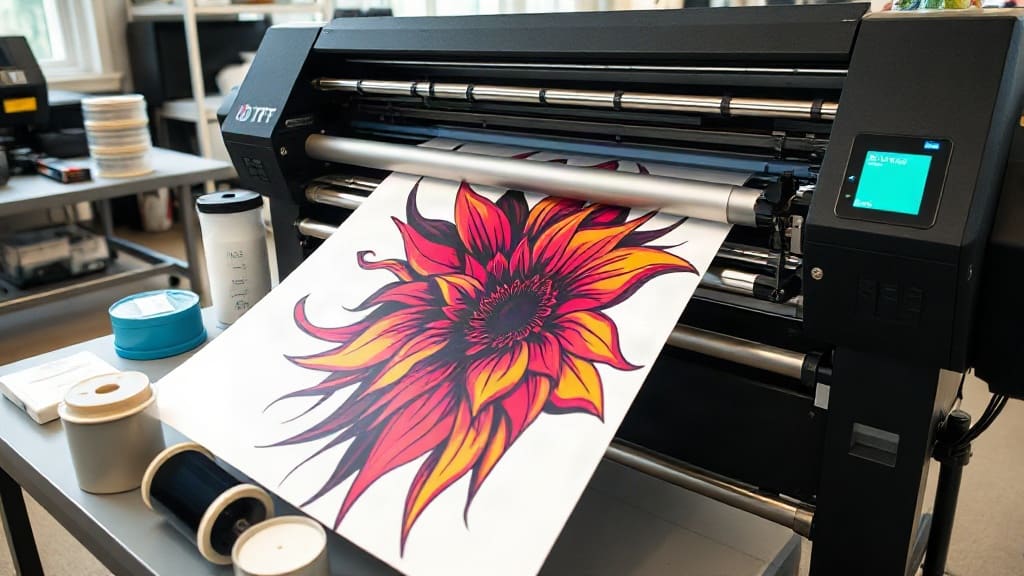
If you're into custom apparel printing, you've likely heard about DTF transfers. They've taken the industry by storm, offering a versatile and cost-effective way to create vibrant designs on various fabrics. Whether you're a hobbyist or a business owner, understanding this technology can open up new possibilities. In this guide, I'll share my hands-on experience and insights to help you master DTF printing.
What Are DTF Transfers?
DTF stands for Direct to Film. Unlike traditional methods like screen printing or heat transfer vinyl, DTF involves printing your design onto a special PET film using a printer equipped with white ink. The print is then covered with adhesive powder, cured, and finally heat-pressed onto the garment. The result is a durable, stretchable, and vibrant print that feels soft to the touch.
How DTF Transfers Work: A Step-by-Step Overview
To give you a clear picture, let me walk you through the process I use daily. It's straightforward once you get the hang of it.
- Design and Print: Create your design on a computer, mirror it, and print it onto a DTF film using a DTF printer. The printer lays down CMYK colors plus white ink as a base.
- Apply Adhesive Powder: While the ink is still wet, cover the printed area with hot-melt adhesive powder. Shake off the excess.
- Cure the Powder: Pass the film through a curing oven or use a heat press to melt the powder, ensuring it bonds with the ink.
- Transfer to Fabric: Place the film on your garment, apply heat and pressure with a heat press, peel off the film, and your design is transferred.
Why Choose DTF Transfers? Benefits and Applications
DTF transfers have become my go-to for many projects because they offer incredible flexibility. Here are some key advantages:
- Works on Many Fabrics: Cotton, polyester, blends, and even tricky materials like nylon or leather. DTF handles them all without needing special pretreatment.
- Vibrant Colors and Details: The white ink layer ensures colors pop, even on dark fabrics. Intricate designs with fine lines and gradients reproduce beautifully.
- Soft Hand Feel: Unlike thick vinyl prints, DTF prints have a soft, almost ink-like texture that doesn't crack easily.
- Durability: With proper application, DTF transfers can withstand many washes without fading or peeling.
- Cost-Effective for Small Runs: No screens or setup costs, making it perfect for custom orders, samples, and small batches.
Common Uses for DTF Transfers
From personal projects to commercial production, DTF transfers are incredibly versatile. I've used them for:
- Custom t-shirts, hoodies, and sweatshirts
- Sportswear and jerseys with player names and numbers
- Tote bags, caps, and other accessories
- Workwear and promotional items
DTF Transfers vs. Other Printing Methods
Choosing the right printing method can be confusing. Let's compare DTF with popular alternatives to help you decide.
DTF vs. Screen Printing
Screen printing is excellent for large quantities with solid colors, but it requires costly setup and is impractical for detailed, full-color designs. DTF transfers offer similar durability with no setup fees and can handle full-color gradients effortlessly.
DTF vs. Heat Transfer Vinyl (HTV)
HTV is great for simple cut designs but struggles with multi-color or photo-like images. DTF transfers allow you to print any design with unlimited colors, and the result is thinner and more flexible than vinyl.
DTF vs. DTG (Direct to Garment)
DTG printing is fantastic for high-quality prints on cotton but requires expensive machines and isn't ideal for polyester. DTF transfers are more affordable upfront and work on a wider range of fabrics.
Essential Equipment and Supplies for DTF Printing
To get started, you'll need some specific gear. Here's what I recommend based on my setup:
- DTF Printer: Look for a printer that supports white ink and DTF films. Popular options include the Epson L1800 with a DTF conversion kit or dedicated DTF printers like the DTF Pro.
- DTF Films: These are PET films designed to release the ink with heat. Try different brands to find one that works best with your printer.
- Adhesive Powder: This is crucial for bonding the print to the fabric. Use a powder that matches your printer's ink for optimal results.
- Heat Press: A quality heat press with precise temperature and pressure control is essential. I use a 15x15 clamshell press.
- Curing Oven or Press: Some setups use a separate curing oven to melt the powder, but you can also do it with your heat press.
- Software: You'll need design software and a RIP (Raster Image Processor) to manage color profiles and printing.
Tips for Achieving High-Quality DTF Transfers
Over time, I've learned a few tricks that consistently produce professional results. Here are my top tips:
- Calibrate Your Colors: Use a color profile specific to your film and ink. Print test sheets to ensure accurate color reproduction.
- Mirror Your Design: Always mirror your design before printing, because you'll apply it face down.
- Apply Powder Evenly: Shake off excess powder thoroughly to avoid sticky spots, and make sure the powder covers the entire design.
- Cure at the Right Temperature: Typical curing is around 160°C (320°F) for 2-3 minutes. Adjust based on your powder's instructions.
- Use Teflon Sheets: Protect your heat press and film with Teflon sheets during pressing.
- Press with Even Pressure: Apply firm, even pressure for about 15-20 seconds at around 170°C (340°F) for the final transfer.
- Test Before Full Production: Always run a test on a scrap fabric to check color, adhesion, and washability.
Common Mistakes and How to Avoid Them
Even seasoned printers run into issues. Here are some pitfalls I've encountered and how to sidestep them:
- Poor Adhesion: Often due to insufficient powder or low temperature. Double-check your powder coverage and curing time.
- Color Fading: Caused by incorrect color profiles or low-quality inks. Invest in good inks and calibrate regularly.
- Cracking: Usually happens when the print is too thick or the fabric is stretched during pressing. Use a moderate amount of powder and avoid over-pressing.
- Film Wrinkles: Ensure your film is flat before printing, and use a heat press with a smooth surface.
- White Base Issues: If the white ink is too thin, colors may appear washed. Adjust your print settings to add more layers of white.
Frequently Asked Questions About DTF Transfers
Can DTF transfers be used on dark fabrics?
Absolutely! The white ink layer in DTF prints acts as an opaque base, so colors stay vibrant even on black or dark-colored garments. Just ensure your design has a proper white underbase for the best results.
How many washes can a DTF transfer withstand?
With proper application and care, DTF transfers can last for 50 or more washes without significant fading or cracking. Always follow care instructions: wash inside out in cold water and avoid bleach.
Do I need to pre-treat the fabric for DTF printing?
No, that's one of the biggest advantages of DTF transfers. Unlike DTG, you don't need to pre-treat the garment. You can print directly onto the film and transfer to almost any fabric without extra steps.
What is the cost difference between DTF transfers and other methods?
For small quantities, DTF transfers are much more affordable than screen printing because there are no setup costs. For larger runs, screen printing might become cheaper per piece. DTG has higher machine costs and is limited to cotton, while DTF offers a better balance for versatility and cost.
Can I use DTF transfers for printing on polyester?
Yes, DTF transfers work on polyester, but you need to use a lower temperature and pressure to avoid melting the fabric. I've successfully printed on polyester jerseys with great results.
Conclusion and Next Steps
DTF transfers have revolutionized custom apparel printing, offering a perfect blend of quality, versatility, and affordability. Whether you're just starting or looking to expand your services, mastering DTF opens up endless creative possibilities. If you're ready to dive in, start with the right equipment, practice on test pieces, and soon you'll be producing professional-looking prints that impress your customers. And if you're looking for a reliable supplier, consider DTFprintly.com for your transfer needs. Happy printing!