DTF transfers have taken the custom apparel industry by storm, and for good reason. If you've been searching for a printing method that combines vibrant colors, exceptional durability, and ease of use, you've likely come across this revolutionary technology. But what exactly makes DTF transfers stand out from traditional methods like screen printing or vinyl? In this guide, we'll dive deep into the world of Direct-to-Film printing, exploring its benefits, applications, and why it might just be the smartest choice for your next project.
What Are DTF Transfers?
DTF, or Direct-to-Film, is a printing technique where designs are printed onto a special film, coated with adhesive powder, and then heat-pressed onto fabric. Unlike Direct-to-Garment (DTG) printing, which prints directly onto the shirt, DTF allows you to print on a film first, giving you more flexibility and speed. The process is simple: print your design on the film, apply adhesive, cure it, and then transfer it to your garment using a heat press. The result is a soft, stretchable, and highly detailed print that can be applied to a wide variety of materials.
Key Benefits of DTF Transfers
Why are so many businesses and DIY enthusiasts switching to DTF transfers? Let's break down the main advantages.
Vibrant Colors and High Detail
One of the most appealing aspects of DTF printing is its ability to produce incredibly vibrant colors and intricate details. Because the ink is applied to a film and then transferred, you can achieve photorealistic prints with smooth gradients and fine lines. Unlike screen printing, which sometimes struggles with complex color blends, DTF handles them effortlessly. This makes it perfect for designs with lots of colors, small text, or detailed graphics.
Versatility Across Fabrics
Another standout feature is its versatility. DTF transfers can be applied to almost any fabric, including cotton, polyester, blends, nylon, and even leather. This is a game-changer because traditional methods often have limitations. For instance, screen printing works best on cotton, but DTF works on everything. So whether you're creating custom t-shirts, hoodies, tote bags, or even caps, DTF has you covered.
Durability and Washability
Durability is a major concern for anyone investing in custom apparel. DTF prints are known for their excellent resistance to cracking, peeling, and fading. The adhesive powder used in the process ensures a strong bond with the fabric, allowing the print to withstand numerous washes without losing its integrity. In fact, many users report that DTF prints last as long as, if not longer than, screen-printed designs, making them a reliable choice for everyday wear.
No Weeding Hassle
If you've ever worked with heat transfer vinyl (HTV), you know the pain of weeding. Weeding involves manually removing excess vinyl, which can be time-consuming and frustrating, especially for detailed designs. DTF eliminates this step entirely. The film is pre-printed and ready to use, saving you time and effort. This makes DTF an excellent option for bulk orders or for those who want a quick turnaround.
Cost-Effective for Small Runs
Starting a custom apparel business often involves high setup costs, especially with screen printing, which requires screens for each color. DTF, on the other hand, has minimal setup costs. You can print a single item or a small batch without breaking the bank. This makes it ideal for small businesses, entrepreneurs, and hobbyists who want to offer personalized products without large upfront investments.
DTF vs. Other Printing Methods
To truly appreciate DTF transfers, it helps to compare them to other popular methods.
DTF vs. DTG (Direct-to-Garment)
DTG printing is a popular choice for high-detail, full-color designs, but it has its drawbacks. DTG printers are expensive, and the process requires a pre-treatment solution for cotton fabrics, which adds time and cost. Additionally, DTG prints can feel heavy on the fabric and may crack over time. DTF, in contrast, offers a softer feel and can be applied to a wider range of fabrics, including those that DTG struggles with, like polyester. Plus, DTF is more cost-effective for bulk orders because you can print the films in advance and apply them as needed.
DTF vs. Screen Printing
Screen printing is the traditional workhorse of the apparel industry, known for its durability and vibrant colors on cotton. However, it requires a significant setup for each color and is not practical for small quantities. DTF, on the other hand, shines in low-volume runs and complex designs. While screen printing might still be more economical for massive orders of simple designs, DTF offers greater flexibility and quicker turnaround times.
DTF vs. Heat Transfer Vinyl (HTV)
HTV is a favorite among crafters, but it has limitations. It's not ideal for multi-colored designs because each color requires a separate cut and weed. DTF simplifies this by printing the entire design at once, making it faster and more efficient. HTV also tends to have a plastic-like feel, whereas DTF prints are soft and breathable. For professional-looking results, DTF is clearly superior.
How to Use DTF Transfers
If you're new to DTF, the process might seem daunting, but it's actually quite simple. Here's a step-by-step guide to get you started.
- Prepare your design: Create or choose a design using graphic software. Ensure it has a transparent background if you want the print to blend seamlessly with the fabric.
- Print on film: Using a DTF printer, print your design onto the special film. Make sure to mirror the image if required.
- Apply adhesive powder: While the ink is still wet, cover the printed area with DTF adhesive powder. This powder is crucial for bonding the ink to the fabric.
- Cure the powder: Heat the film to melt the adhesive powder. This creates a tacky layer that will stick to the garment.
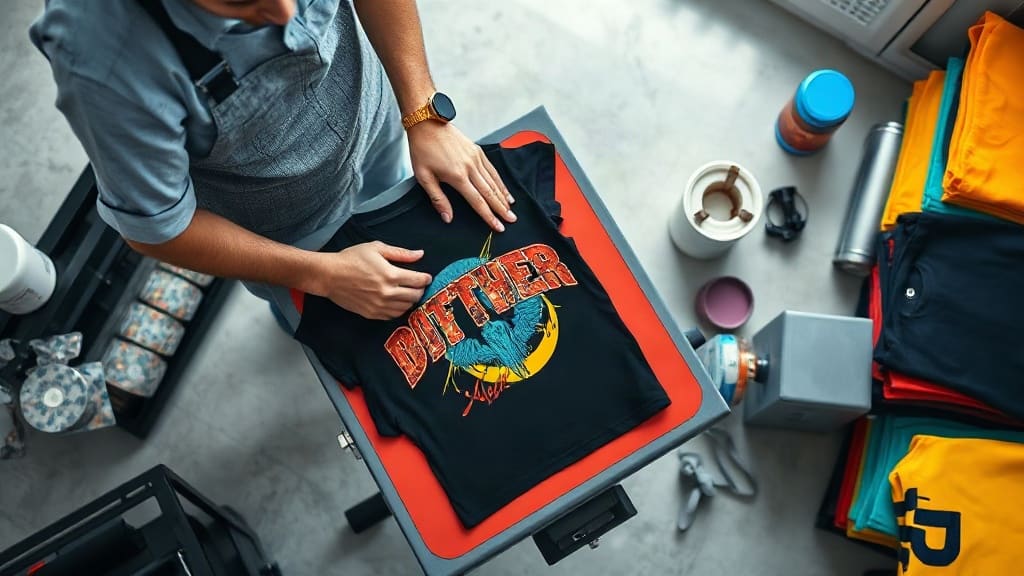
- Heat press: Place the film onto your garment and press using a heat press at the recommended temperature and time (usually around 300°F for 10-15 seconds).
- Peel and finish: Allow it to cool slightly, then peel away the film. Your design is now transferred!
It's important to follow the specific instructions for your materials and printer, but the general process is straightforward. Many businesses offer pre-printed DTF transfers, meaning you can skip the printing and powder steps entirely. Just heat press and go!
Tips for Getting the Best Results
To ensure your DTF prints look professional and last long, keep these tips in mind:
- Always use a high-quality heat press with even pressure. Inconsistent pressure can lead to uneven adhesion.
- Pre-press your garment for a few seconds to remove moisture and wrinkles. This helps the transfer stick better.
- Choose the right film and powder for your printer and ink. Compatibility is key.
- Test on scrap fabric first to fine-tune your time and temperature settings.
- Store unused transfers in a cool, dry place to prevent the adhesive from degrading.
Applications of DTF Transfers
The versatility of DTF transfers opens up a world of possibilities. Here are some popular applications:
Custom T-Shirts and Apparel
From small batch orders to large quantities, DTF is perfect for creating custom t-shirts for events, teams, or businesses. The ability to print on various fabrics means you can offer products for any occasion.
Sportswear and Activewear
Because DTF works well on polyester and performance fabrics, it's ideal for sportswear. The prints are stretchable and won't crack during intense workouts, making them a favorite among athletic brands.
Promotional Products
Create branded tote bags, caps, or even mouse pads with DTF. The process is quick, allowing for on-demand production of promotional items.
Personalized Gifts
If you run a small business or enjoy crafting, DTF lets you create one-of-a-kind gifts for friends and family. From photo prints on shirts to custom designs on baby onesies, the possibilities are endless.
Frequently Asked Questions
Can I use DTF transfers on dark-colored garments?
Absolutely! One of the biggest advantages of DTF is that it works perfectly on dark fabrics. The white adhesive base acts as a barrier, ensuring your colors pop without needing a white underbase. This is a significant advantage over methods like DTG, which often require pre-treatment for dark fabrics.
How long do DTF prints last?
With proper care, DTF prints can last for many washes. Most prints remain vibrant and intact for over 50 wash cycles, but this can vary depending on the fabric and washing conditions. To extend the life, turn the garment inside out, wash in cold water, and avoid using harsh detergents or bleach.
Is DTF printing expensive?
The initial investment in DTF equipment can be higher than some other methods, but the operational costs are lower. Since you can print on demand and avoid screen setup fees, it's very cost-effective for small to medium runs. For those just starting, many companies offer pre-printed transfers at a reasonable price, allowing you to test the waters without a large capital outlay.
Can I use DTF transfers on fabrics other than cotton?
Yes, DTF is incredibly versatile. It adheres well to cotton, polyester, nylon, and blends. It's also suitable for harder surfaces like leather or denim, though you may need to adjust your press time and temperature. Always test on a sample first to ensure the best results.
Do I need a special printer for DTF?
Yes, DTF requires a printer that uses pigment-based inks and can handle the special film. Many people convert Epson eco-solvent printers or purchase dedicated DTF printers. If you don't want to invest in equipment, you can always order custom DTF transfers from a professional printing service.
Conclusion
In the ever-evolving world of custom apparel, DTF transfers have emerged as a game-changer. Their combination of vibrant colors, durability, versatility, and cost-effectiveness makes them an attractive option for businesses and hobbyists alike. Whether you're looking to start your own clothing line, fulfill a bulk order, or simply create unique gifts, DTF is a reliable and smart choice. As technology continues to improve, we can only expect DTF to become even more accessible and popular. So why not give it a try? Your next project could benefit immensely from this innovative printing method.
At DTF Printly, we specialize in creating high-quality DTF transfers that meet your exact specifications. With our state-of-the-art equipment and experienced team, we ensure every transfer is crisp, vibrant, and long-lasting. Whether you need a single transfer or thousands, we're here to help. Contact us today to get started on your custom apparel journey!