
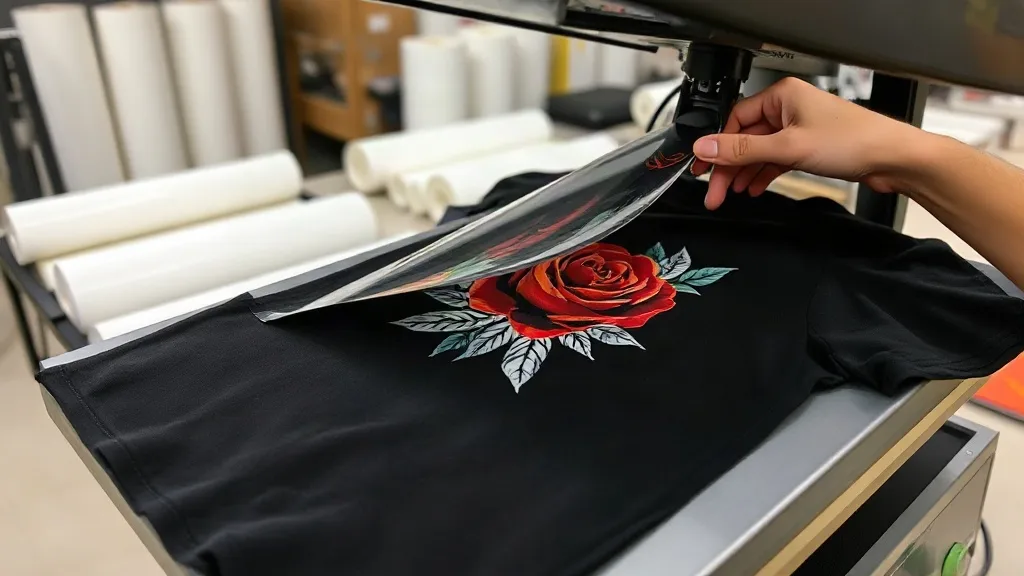
Custom apparel printing has come a long way, and if you're looking for a method that delivers vibrant colors, fine details, and lasting durability on almost any fabric, dtf transfers might just be your new best friend. Unlike traditional screen printing or vinyl cutting, DTF (Direct to Film) printing offers a versatile solution that's catching on fast among small business owners, crafters, and DIY enthusiasts. In this guide, we'll walk you through what DTF transfers are, how they work, and why they could be the perfect fit for your next project.
What Are DTF Transfers?
DTF stands for Direct to Film. It's a printing technology where your design is printed onto a special film, then coated with a adhesive powder and cured. The result is a transfer that can be heat-pressed onto fabrics. The magic of dtf lies in its ability to print on a wide range of materials, including cotton, polyester, blends, and even some non-textiles like canvas and leather. The prints are known for their soft feel, high opacity, and resistance to cracking or fading.
The DTF Printing Process Step by Step
Understanding the process helps you appreciate the quality. Here's a breakdown:
- Design Preparation: Your artwork is prepared digitally, ensuring it's in the correct format and resolution.
- Printing: A specialized DTF printer lays down white ink as a base, followed by CMYK colors on a PET film. The white ink provides opacity, allowing prints to show up on dark garments.
- Powder Application: While the ink is still wet, a hot-melt adhesive powder is applied evenly over the design.
- Curing: The film goes through a curing oven or heat press to melt the powder, creating a durable, flexible layer.
- Transfer: The cured film is then placed on the fabric and heat-pressed, transferring the design permanently.
Each step requires precision, but the end result is a professional-grade print that rivals screen printing in quality.
Why Choose DTF Transfers Over Other Methods?
If you're wondering whether DTF is worth the hype, consider these advantages:
- Versatility: Works on almost any fabric, including dark and light colors, without the need for special pretreatment.
- Durability: Prints resist cracking, peeling, and fading even after multiple washes.
- Detail and Color: Achieves fine lines, gradients, and photorealistic images with vibrant colors.
- Cost-Effective for Small Runs: No minimum order quantities, making it ideal for small businesses and one-off custom pieces.
- Soft Hand Feel: The prints are thin and flexible, so they don't feel heavy or plastic-like.
Compared to vinyl, DTF eliminates the tedious weeding process. Compared to screen printing, it's more accessible for intricate designs and short runs. It's a game-changer for custom apparel.
Getting Started with DTF Transfers
Ready to dive in? Here's what you need to know to start using DTF transfers effectively.
Equipment and Supplies
To get started, you'll need a DTF printer, DTF ink, PET film, adhesive powder, and a heat press. If you're not ready to invest in a printer, you can buy pre-printed DTF transfers from suppliers. Many companies offer custom transfer services where you upload your design, and they ship you the ready-to-press transfers.
Finding Quality DTF Transfers Near You
If you're searching for dtf transfers near me, you're in luck. The DTF market has grown, and local print shops and online retailers now offer high-quality transfers. When choosing a supplier, look for reviews, sample packs, and clear instructions. A good supplier will provide transfers that are easy to apply and yield professional results. For those in the US, dtfprintly.com offers top-notch DTF transfers with fast shipping and excellent customer support.
Heat Press Settings for Perfect Results
Applying DTF transfers requires the right temperature, pressure, and time. Typically, you'll press at 300-320°F (150-160°C) for 10-15 seconds with medium pressure. Always peel the film cold (after it cools completely) for best results. It's a good idea to do a test press on a scrap fabric to dial in your settings.
Common Applications of DTF Transfers
DTF transfers are incredibly versatile. Here are some popular uses:
- Custom T-shirts: Perfect for personalized tees, team uniforms, and event merchandise.
- Hoodies and Sweatshirts: The soft hand feel makes it ideal for cozy apparel.
- Tote Bags: Add vibrant designs to canvas bags.
- Sportswear: The flexibility and durability withstand athletic wear.
- Corporate Gifts: Branded items like polo shirts and jackets.
If you can heat-press it, you can probably DTF it.
Tips for Long-Lasting DTF Prints
To ensure your DTF prints stand the test of time, follow these care tips:
- Wash inside out in cold water.
- Avoid using fabric softener or bleach.
- Tumble dry on low or hang dry.
- Do not iron directly on the print; use a pressing cloth if needed.
With proper care, DTF prints can last as long as the garment itself.
Frequently Asked Questions About DTF Transfers
How do DTF transfers compare to screen printing in terms of durability?
DTF transfers are highly durable, often matching or exceeding screen printing when applied correctly. They resist cracking and fading, and with proper washing, they can last for years. However, screen printing may have a slight edge for very high-volume orders where cost per unit decreases, but for small to medium runs, DTF is comparable and more versatile.
Can I use DTF transfers on 100% cotton shirts?
Absolutely. DTF transfers work exceptionally well on 100% cotton, as well as polyester and blends. The key is to use the right heat press settings and ensure the fabric is clean and flat before pressing. Cotton provides a great surface for the adhesive to bond, resulting in a soft, flexible print.
What is the minimum order quantity for custom DTF transfers?
One of the biggest advantages of DTF is that there's no minimum order quantity. You can order a single transfer or thousands. This makes it perfect for small businesses, personal projects, or testing new designs without committing to bulk.
How should I store unused DTF transfers?
Store unused DTF transfers in a cool, dry place away from direct sunlight. Keep them flat to avoid creasing. If stored properly, they can last for several months without losing quality. Some suppliers recommend using them within six months for optimal performance.
Do I need special ink for DTF printing?
Yes, DTF printing requires DTF-specific inks, which are formulated to work with the adhesive powder and PET film. Using regular inks will not yield the same results and may clog your printer. Always use high-quality DTF inks from reputable suppliers to ensure vibrant colors and durability.
DTF transfers are a fantastic addition to any custom apparel business or hobbyist's toolkit. With their versatility, durability, and ease of use, they open up a world of possibilities for creative expression. Whether you're just starting out or looking to expand your offerings, DTF transfers are worth exploring.