
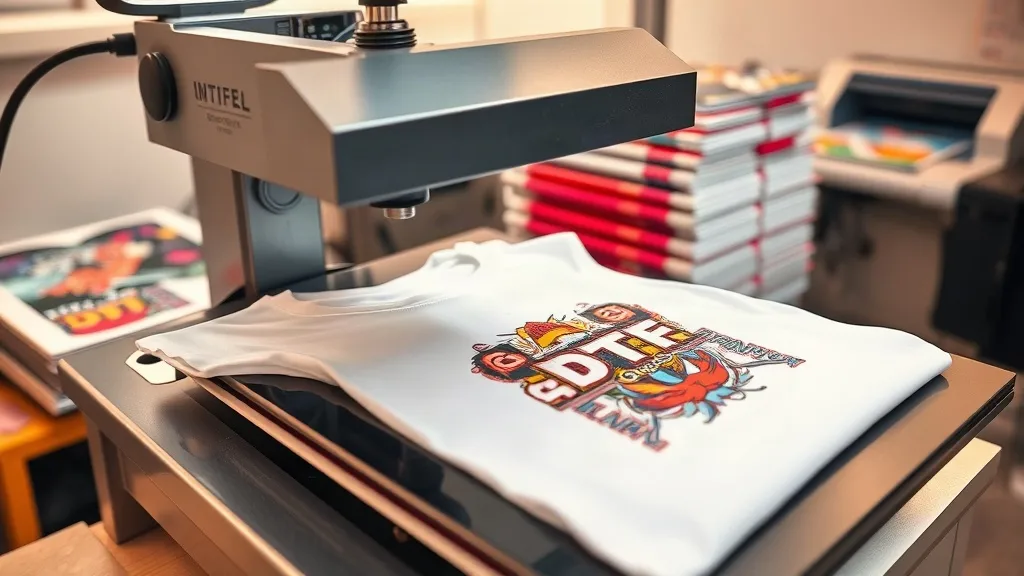
When you're sourcing dtf transfers for a small batch of custom shirts or a last-minute client order, the search for a reliable supplier can feel like a scavenger hunt. You need someone who can deliver quickly, consistently, and at a price that doesn't eat into your margins. This guide is for the maker, the side-hustler, and the print shop owner who wants to cut through the noise and find a dtf partner that actually delivers.
Why Local Matters for DTF Transfers
Ordering from overseas might look cheaper on paper, but once you factor in shipping delays, customs, and the risk of damaged goods, the savings often evaporate. Local suppliers, especially those within your region, offer faster turnaround and easier communication. If you're searching for dtf transfers near me, you're likely prioritizing speed and reliability. That's smart: a local supplier can often accommodate rush orders, and you can build a relationship that pays off when you need a favor or a quick reprint.
Turnaround Time and Shipping
When you need transfers in a hurry, local sourcing shines. Many domestic suppliers offer same-day or next-day printing and shipping. Compare that to international orders that can take weeks. If you're running a business, time is money. A delay could mean missing a market, a launch, or a client deadline. Always ask about production time and shipping speed before you commit.
Quality Control and Consistency
With local suppliers, you can often request samples or small test orders to check quality before committing to a large batch. Consistency is key in DTF printing: you want vibrant colors, sharp details, and durable transfers that withstand washing. A local supplier who values their reputation will be more responsive to feedback and more likely to maintain quality standards.
How to Evaluate a DTF Transfer Supplier
Not all DTF suppliers are created equal. Here are the key factors to consider when vetting a potential partner.
Materials and Ink Quality
The quality of the transfer depends on the film, powder, and ink used. Ask about the brand of inks and films. Premium suppliers use high-grade materials that produce soft, stretchable transfers with excellent wash durability. Cheap materials might save a few cents per sheet but lead to cracked or faded prints after a few washes, which can damage your brand's reputation.
Color Accuracy and Detail
DTF printing excels at reproducing complex designs with gradients and fine details. Request a sample with a design that includes subtle color transitions and small text. Check for color accuracy and sharpness. A good supplier will provide color profiles or proofing options to ensure your expectations are met.
Customer Service and Communication
Responsive customer service is a sign of a reliable supplier. Test their responsiveness by asking pre-sales questions. How quickly do they reply? Are they knowledgeable about DTF technology? A supplier who understands the nuances of DTF printing can offer valuable advice on file setup, fabric compatibility, and application techniques.
Questions to Ask Before You Order
Before you place an order, arm yourself with these questions to separate the pros from the amateurs.
- What is your typical production turnaround time?
- Do you offer rush orders, and what are the associated fees?
- Can you provide samples or a small test order?
- What brands of film, powder, and ink do you use?
- How do you ensure color consistency across orders?
- What is your policy on defective transfers?
- Do you offer bulk discounts?
Their answers will tell you a lot about their professionalism and reliability.
Maximizing Your DTF Transfers
Once you've found a supplier, the next step is getting the most out of your transfers. Proper storage and application are crucial.
Storage Tips
Store unused transfers in a cool, dry place away from direct sunlight. Humidity can affect the powder and film, so keep them in a sealed bag with a desiccant pack if possible. Proper storage ensures the transfers remain usable for months.
Application Best Practices
Follow the supplier's recommended temperature, pressure, and time settings. Use a heat press for consistent results; household irons are not suitable for professional-quality application. Always pre-press the garment to remove moisture, and use a cover sheet to protect the transfer during pressing. Peel the film according to the supplier's instructions (hot peel or cold peel).
Common Mistakes to Avoid
Even experienced printers can slip up. Here are pitfalls to watch for.
- Using too much pressure, which can cause the transfer to spread and lose detail.
- Pressing at the wrong temperature, leading to poor adhesion or scorching.
- Pressing on fabrics with coatings or finishes that prevent proper bonding.
- Not pre-pressing the garment, resulting in moisture interfering with adhesion.
- Peeling the film too early or too late, causing the design to lift or tear.
Frequently Asked Questions
How do I find DTF transfers near me?
Start by searching online for local DTF printing services, check reviews, and ask for samples. Local craft groups or printing forums can also provide recommendations. Once you have a shortlist, contact each supplier with the questions outlined above to find the best fit.
What is the typical turnaround time for local DTF transfers?
Turnaround varies by supplier, but many local shops offer 1-3 business days for standard orders and same-day for rush orders. Always confirm before ordering.
Can I use DTF transfers on different fabric types?
DTF transfers work on a wide range of fabrics, including cotton, polyester, blends, and even some nylons. However, fabrics with special coatings or finishes may require testing. Always test on a scrap piece first.
How should I store unused DTF transfers?
Store them in a cool, dry place, away from direct sunlight and moisture. Keep them in a sealed bag with a desiccant pack to prevent humidity damage.
What if my transfers arrive damaged?
Contact the supplier immediately with photos of the damage. Reputable suppliers will replace defective transfers. Always inspect shipments upon arrival.